China Weiyu Machinery Parts Manufacturers and Suppliers +8613575823430 xiangjundi@weiyumachine.com

Quality Management

What are our quality assurance rules?

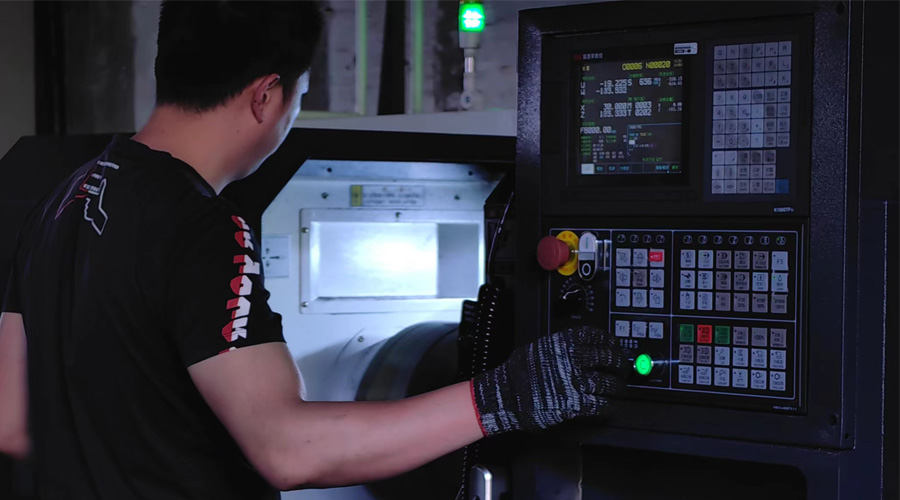
Weiyu has a strict control system for quality control. From the verification during the development and design stage, to the quality control before, during, and after production, and to the confirmation before shipment, we strictly adhere to the aforementioned regulations to meet the quality requirements of our customers.

At the same time, we continuously strengthen the training of our employees to ensure that they are proficient in operating the machines, thereby guaranteeing product quality.
image

1.Design Quality Assurance (DQA)

In development and design stage, QA dept. will assist the R&D dept. in sample verification and improvement, including the selection of key dimensions, suitable measuring equipment, and performing measurement system analysis (MSA) to ensure the appropriateness of measuring equipment. QA dept. makes initial process capability analysis based on sample measurement data, and provides feedback to the R&D dept. for improvement of human, machine, material, method and environment before mass production, to reduce variation during mass production and improve quality stability.

2.Incoming Quality Control (IQC)

Inspect raw materials and outsourcing products to prevent the defective from going to the back-end process.

3.Factory Utilization Rate Increase (IPQC)

We ensure the production quality during the process by analyzing process capability (Cpk), doing initial sample inspection, last sample inspection, tool change inspection, as well as inspection of machining process and coating process.

4.Finish Quality Control (FQC)

We ensure the quality of finished products to meet customers’ requirements and not defective by verifying size, appearance, function, cleanliness and other requested items.

5.Outgoing Quality Control (OQC)

Check documents, packaging and other matters to meet the customer's requirements before shipment as well as provide certification of assurance (COA). We collect data at each stage for analysis and give feedback to relevant units for continuous improvement.
image

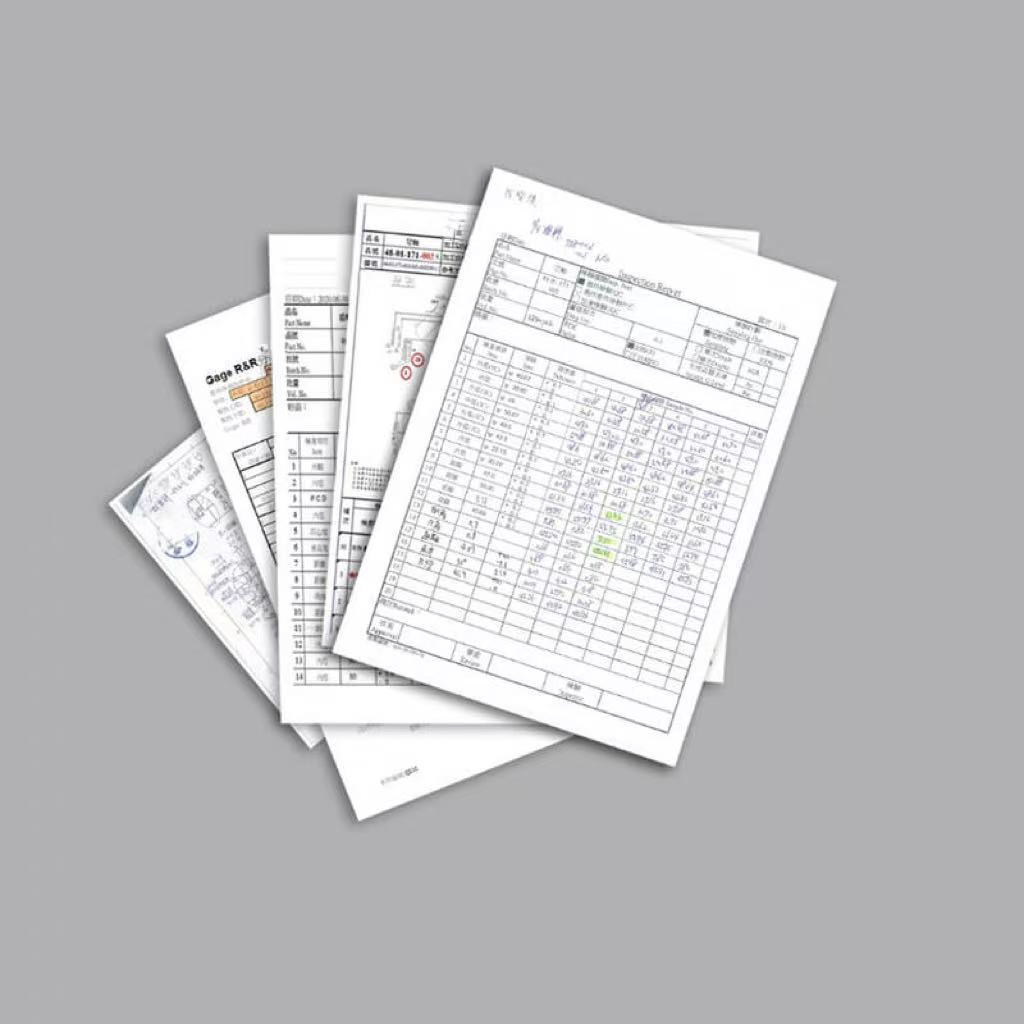
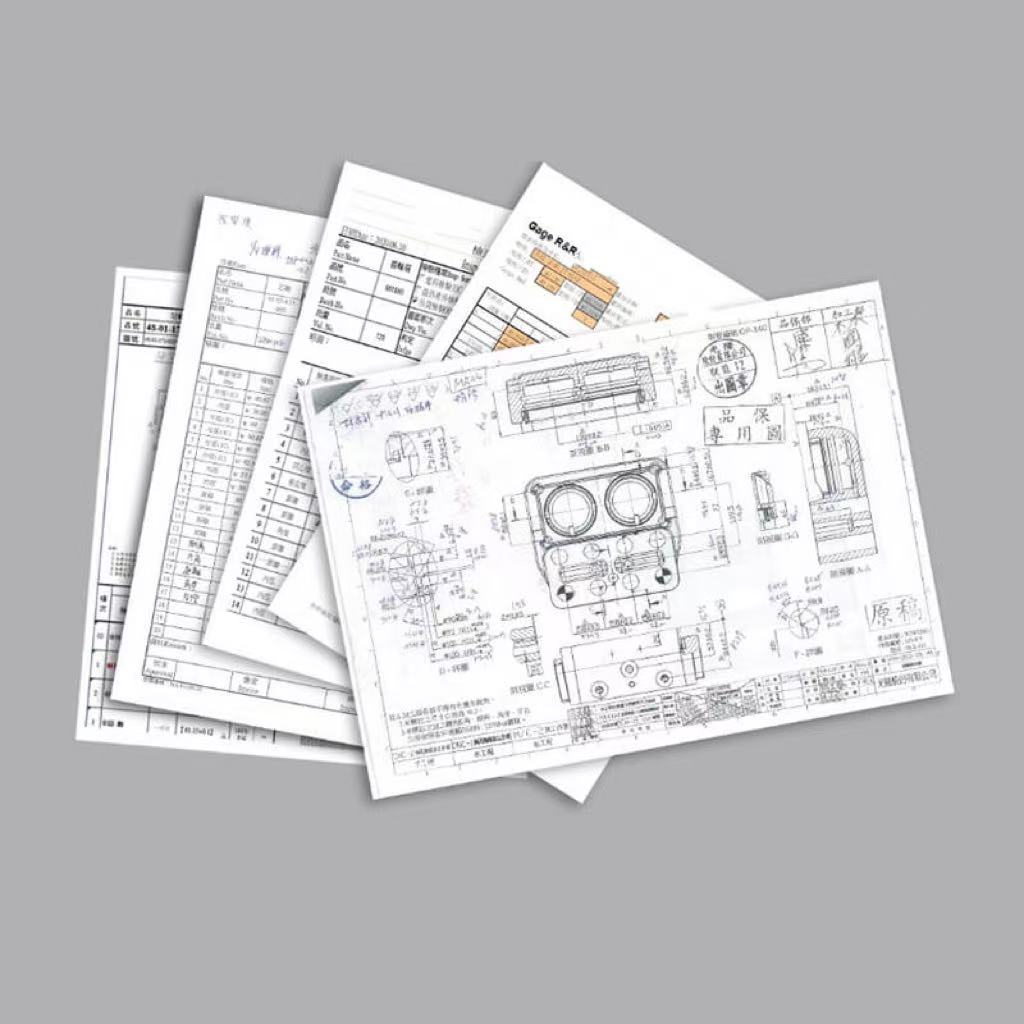
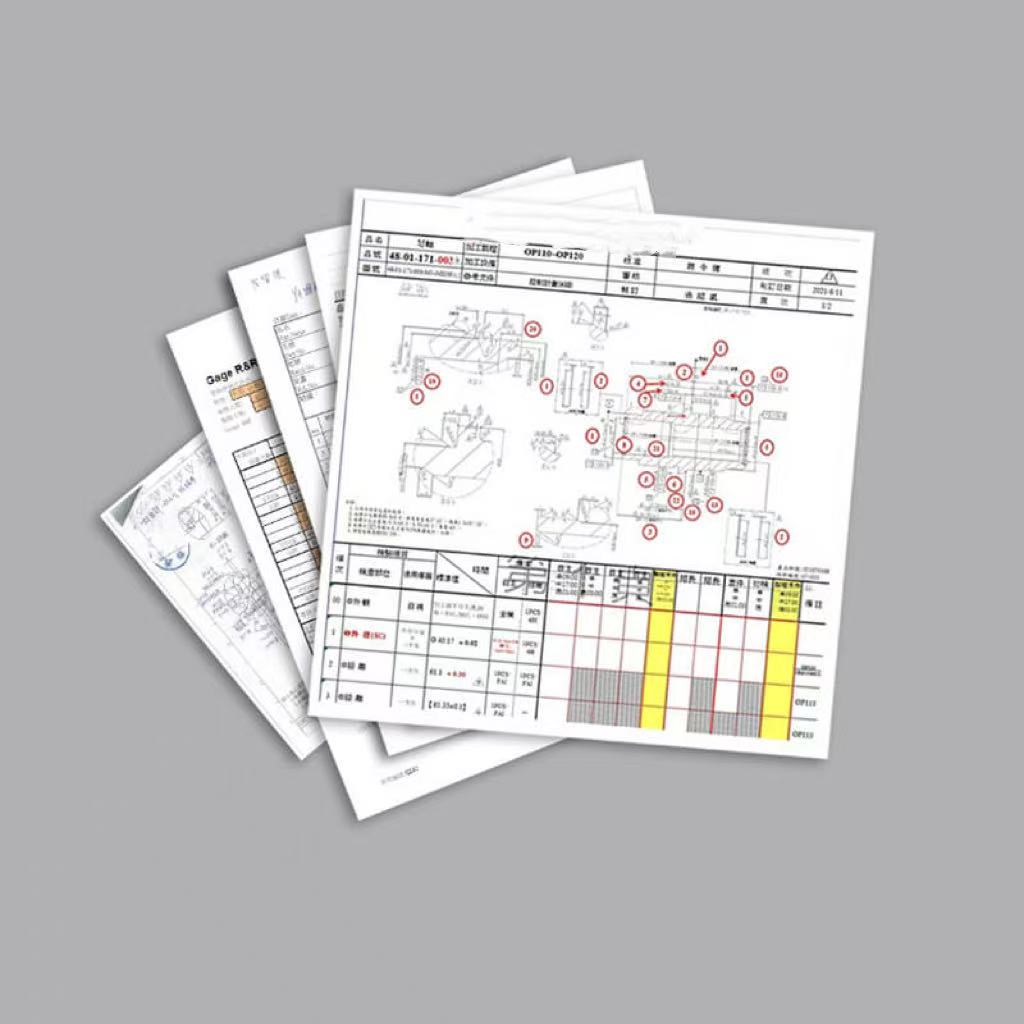
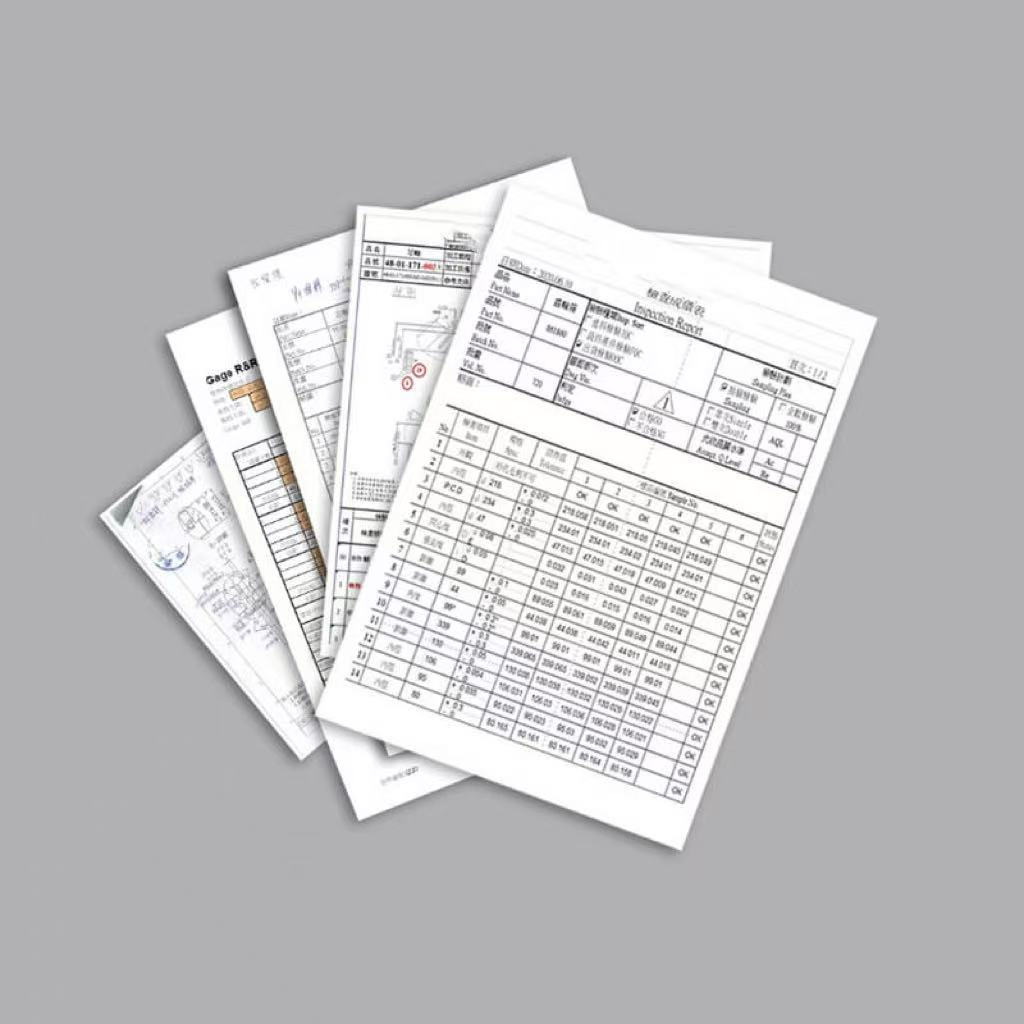
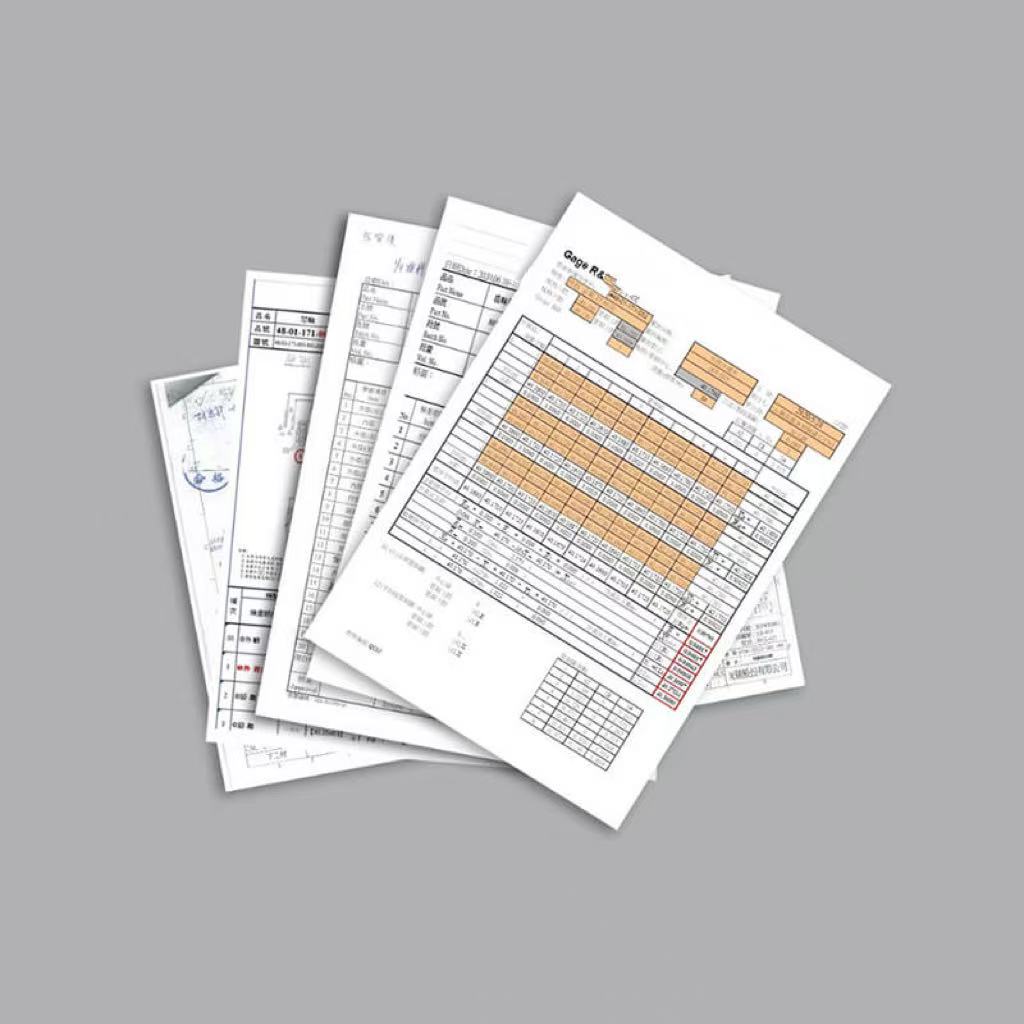
Quality Management Reports

image
Use Gage R&R in Measurement Systems Analysis (MSA) during the Design Quality Assurance stage.
image
Inspect raw materials and outsourcing products during Incoming Quality Control (IQC) stage.
image
Ensure process production quality by initial article inspection (FAI), last article inspection (LAI) and tool change inspection during the in-process quality control (IPQC) stage.
image
We verify size, appearance, function, cleanliness and other requested items during finish quality control (FQC) stage.
image
We check documents, packaging and other matters to meet the customer's requirements before shipment as well as provide certification of assurance (COA) during the ongoing quality control (OQC) stage.

What are our equipment contributing to quality assurance?

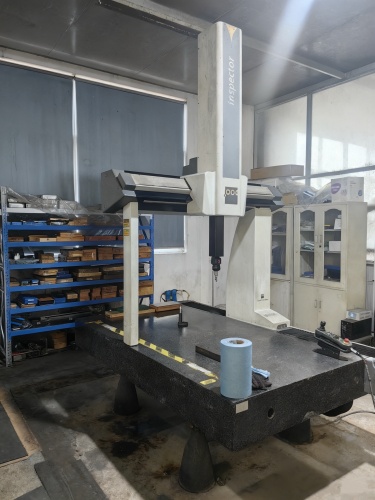
We currently have testing equipment and measuring tools such as coordinate measuring machines (CMM) and other auxiliary control plans. The inspection process includes initial sample inspection, incoming inspection, process inspection, final inspection, factory inspection, and full product inspection. We conduct product size and geometric measurements through testing equipment to confirm that the product quality meets customer requirements. Our quality policy of "quality first, customer satisfaction" has been thoroughly implemented.

image

Which equipment can improve quality inspection?

image
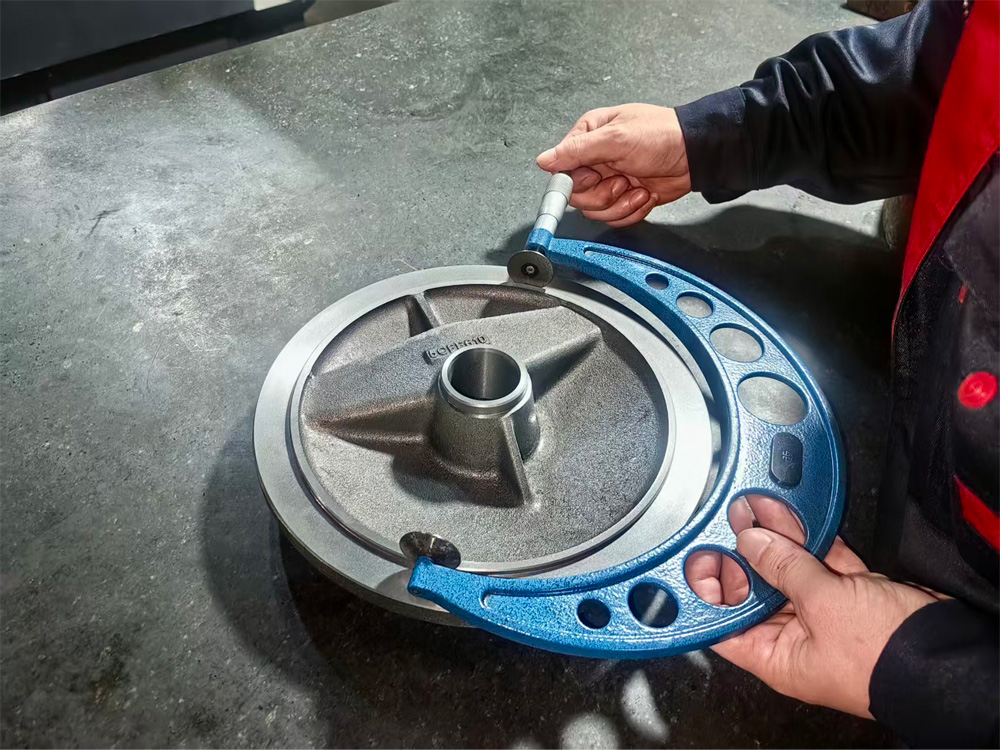
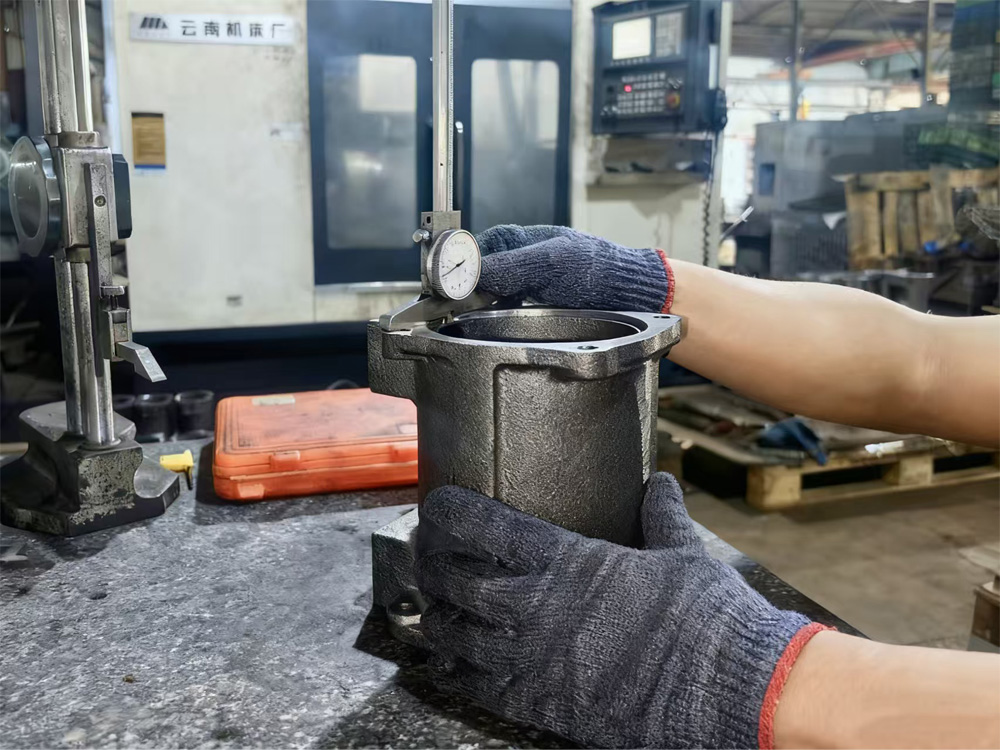
This diagram records the inspection process of finished castings. Technicians use a common law micrometer to measure the positional tolerance of cylindrical metal castings (with circular grooves on the top), with the fixed measuring instrument on the left as an auxiliary reference.
image
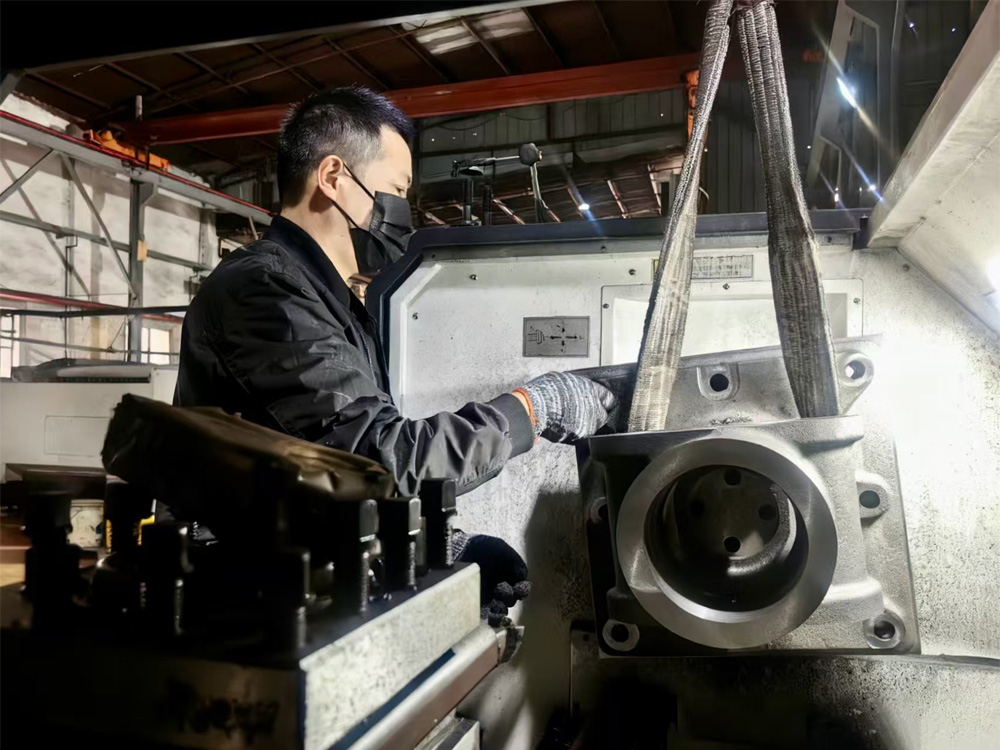
The picture shows the assembly scene of heavy workpieces. The operator is using a sling to suspend a large metal component (with features similar to an engine cylinder block) and is positioning it to the machining position of the machine tool.
image
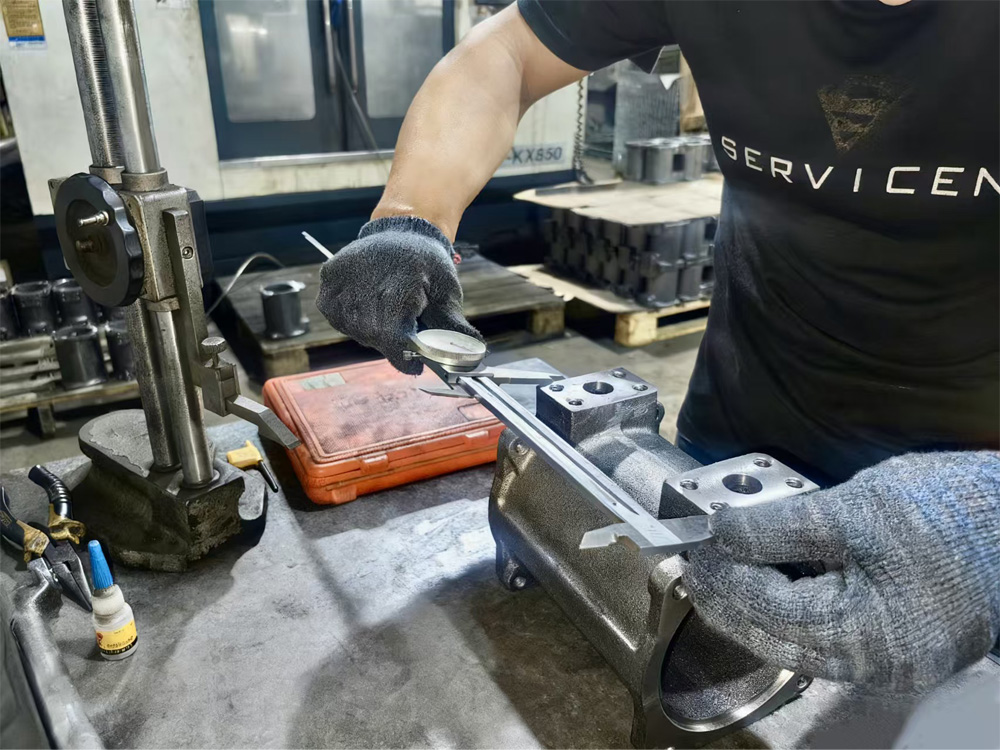
This scenario focuses on the workshop size inspection process. Technicians use vernier calipers to manually measure metal workpieces. The high-precision measuring instrument on the right and the neatly stacked metal billets on the rear tray together form a complete incoming inspection process.
image
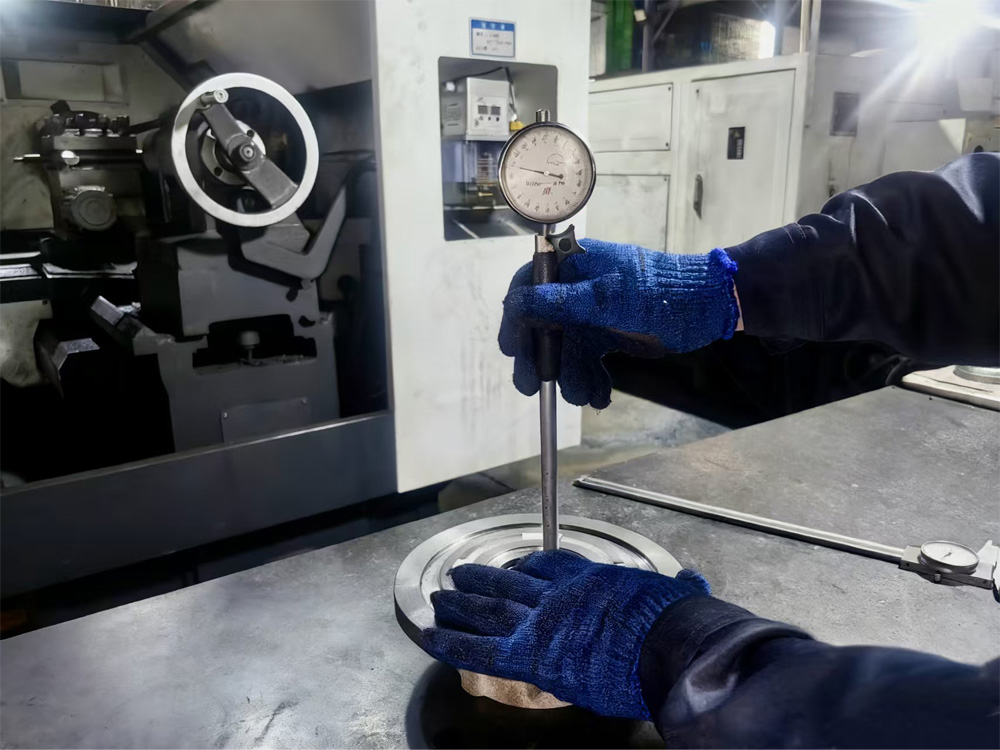
The screen focuses on displaying the inner hole detection operation. The operator uses a micrometer (range 0-10) to measure the working surface of the metal cone and wears blue gloves to avoid hand contamination that may affect accuracy.
image
This diagram records the inspection process of finished castings. Technicians use a depth gauge to measure the positional tolerance of cylindrical metal castings (with a circular groove at the top), and the measuring instrument fixed on the left provides auxiliary reference.