China Weiyu Machinery Parts Manufacturers and Suppliers +8613575823430 xiangjundi@weiyumachine.com
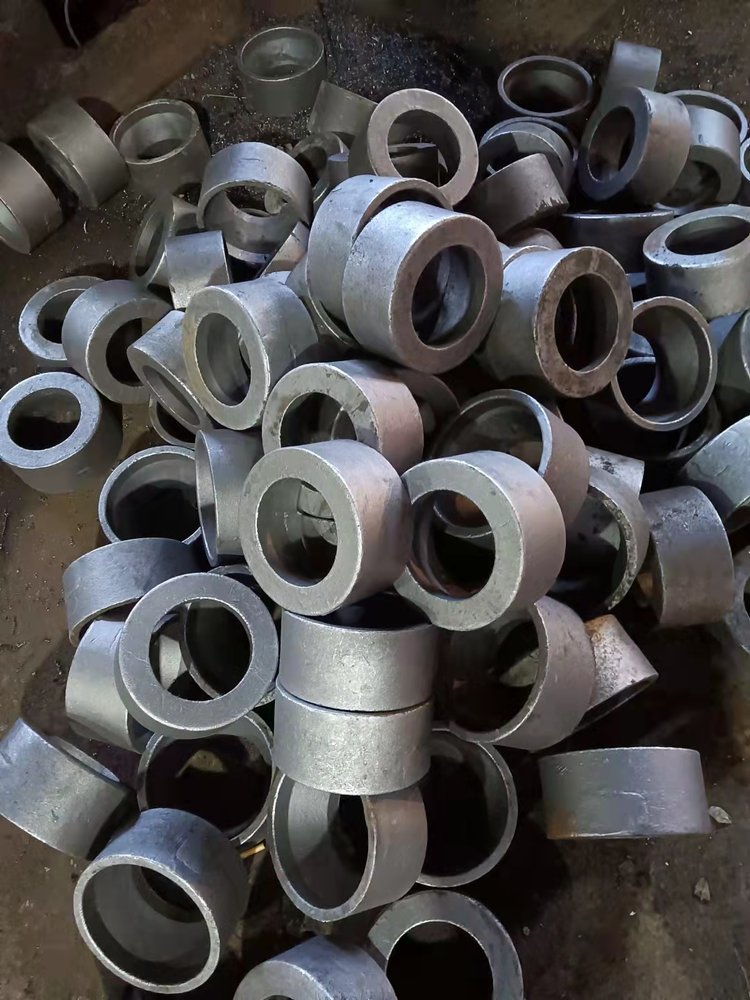
Metal materials are the general term for pure metals or alloys in industry. Common pure metals include gold, silver, copper, iron, aluminum, tin, nickel, lead, zinc, carbon, etc. Combining two or more metals or non metals together is called an alloy. Alloys can adjust the properties of pure metals to higher industrial requirements. Common alloys are iron alloys composed of iron and carbon, including steel, stainless steel, carbon steel, tool steel, and alloy steel. Ferroalloys are also the most widely used and important materials in metal materials and engineering technology.
Metal materials are crucial for the economic development of countries around the world. Metal is a permanent material that can be repeatedly cycled without losing its properties. Metal materials can be recycled, reused, and waste reduced, which is the foundation for the success of circular economy. From transportation, infrastructure, real estate to manufacturing, agriculture, and energy industries, high-strength steel products continue to expand and reduce the weight of metal applications, achieving a circular economy.
Weiyu not only provides cast iron, stainless steel, and carbon steel, but also offers non-ferrous metal forming technologies such as die-casting and extrusion deformation aluminum alloy processing. In addition to the above materials, we also accept materials specified by customers for processing. Please feel free to contact us for specific inquiries.
Cast iron materials refer to iron-carbon alloys with carbon content more than 2.11%. In addition to carbon, there are also elements such as silicon, manganese, and a small amount of sulfur and phosphorus. Cast iron is usually made of pig iron, scrap steel, ferroalloys, etc. in different proportions through smelting. It has good performance in features such as casting, shock absorbing, pressure resistance, wear resistance, cutting processing, etc. Compared with other metal materials, cast iron production equipment and technology are relatively simple and low in price, so it is widely used in machinery manufacturing, petroleum, chemical industry, metallurgy, transportation and military industries, etc. Industrial cast iron generally contains 2.5% to 3.5% carbon. Carbon mostly presents in the form of graphite in cast iron. Based on the form of graphite, it can be roughly divided into white cast iron (steel-making pig iron), gray cast iron, malleable cast iron, ductile iron, etc.
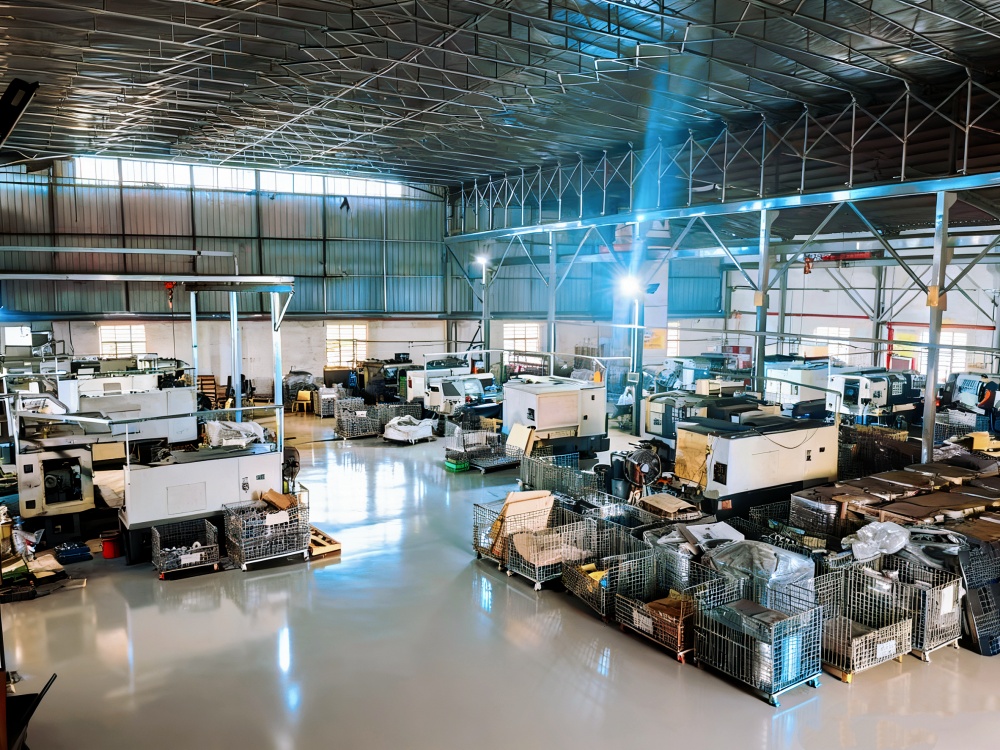
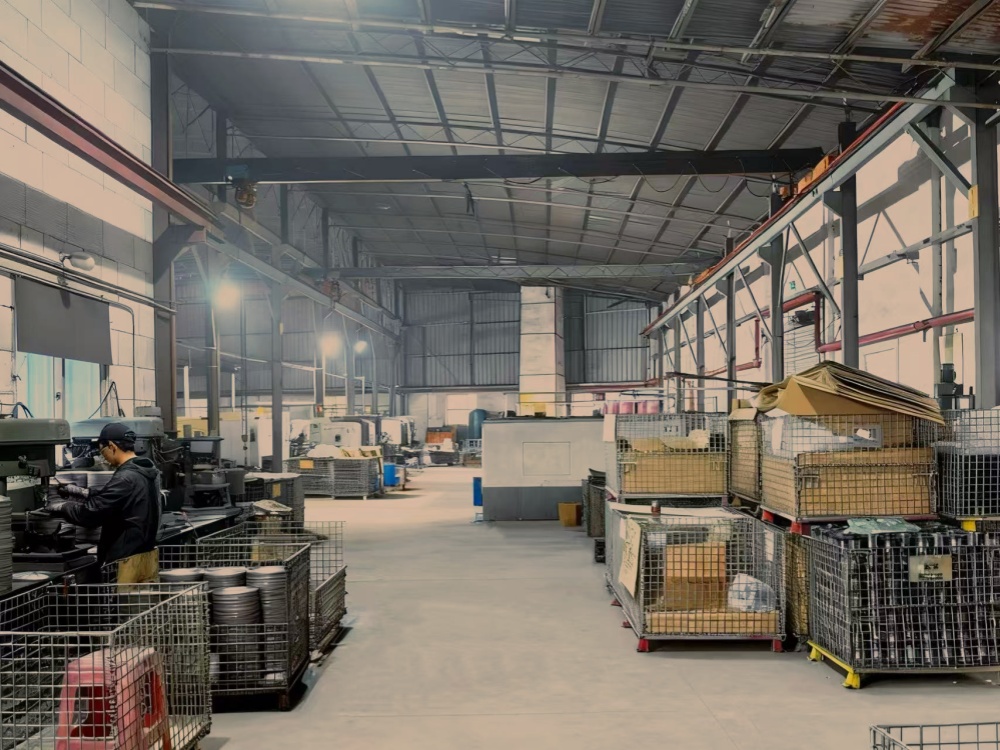
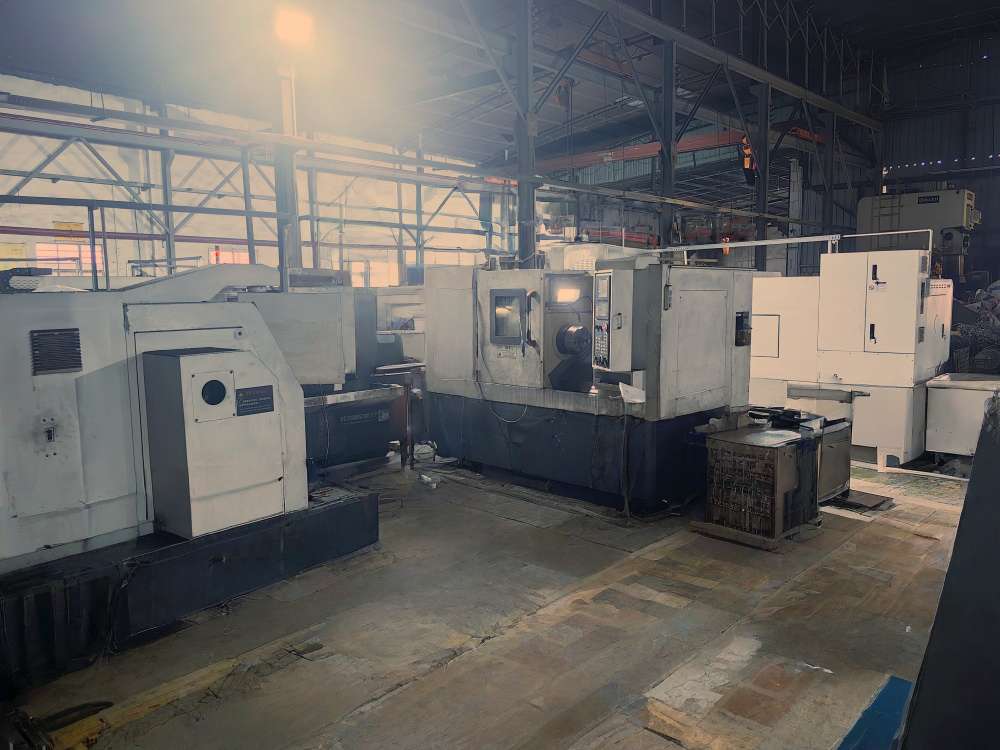
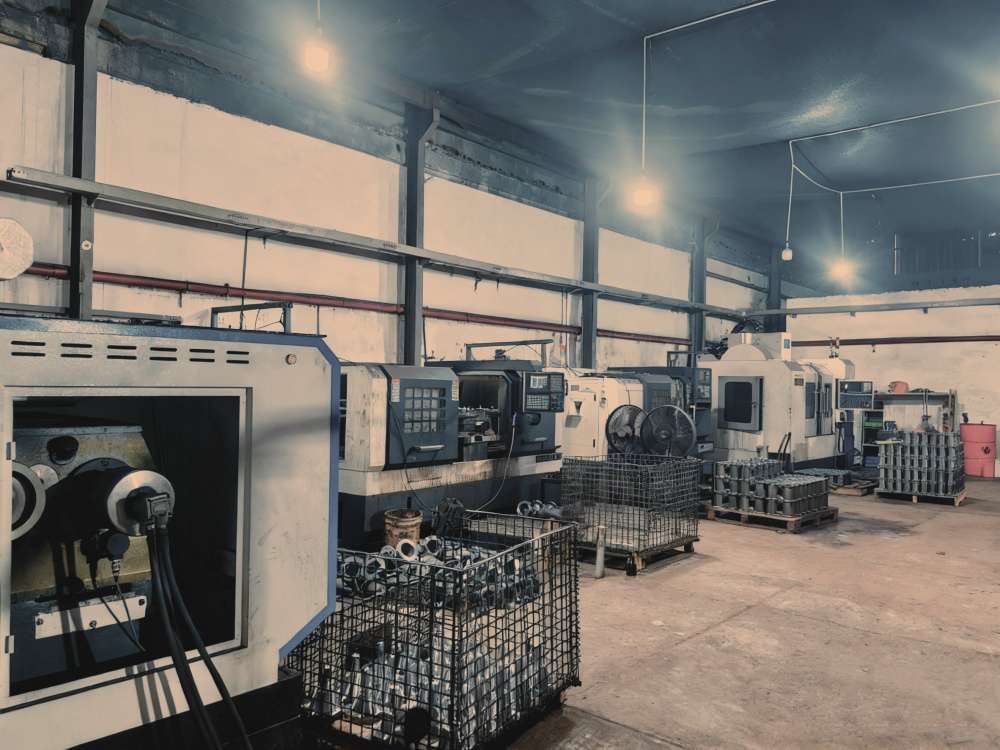
Weiyu Machinery uses multi axis milling machines, machining centers, CNC tools, and grinding machines to manufacture high-precision lightweight aluminum alloy parts, meeting the manufacturing needs of vehicles, power machinery, and other parts. Aluminum alloy has low density, but high strength, close to or exceeding high-quality steel, good plasticity, and can be processed into various profiles with excellent conductivity and thermal conductivity.
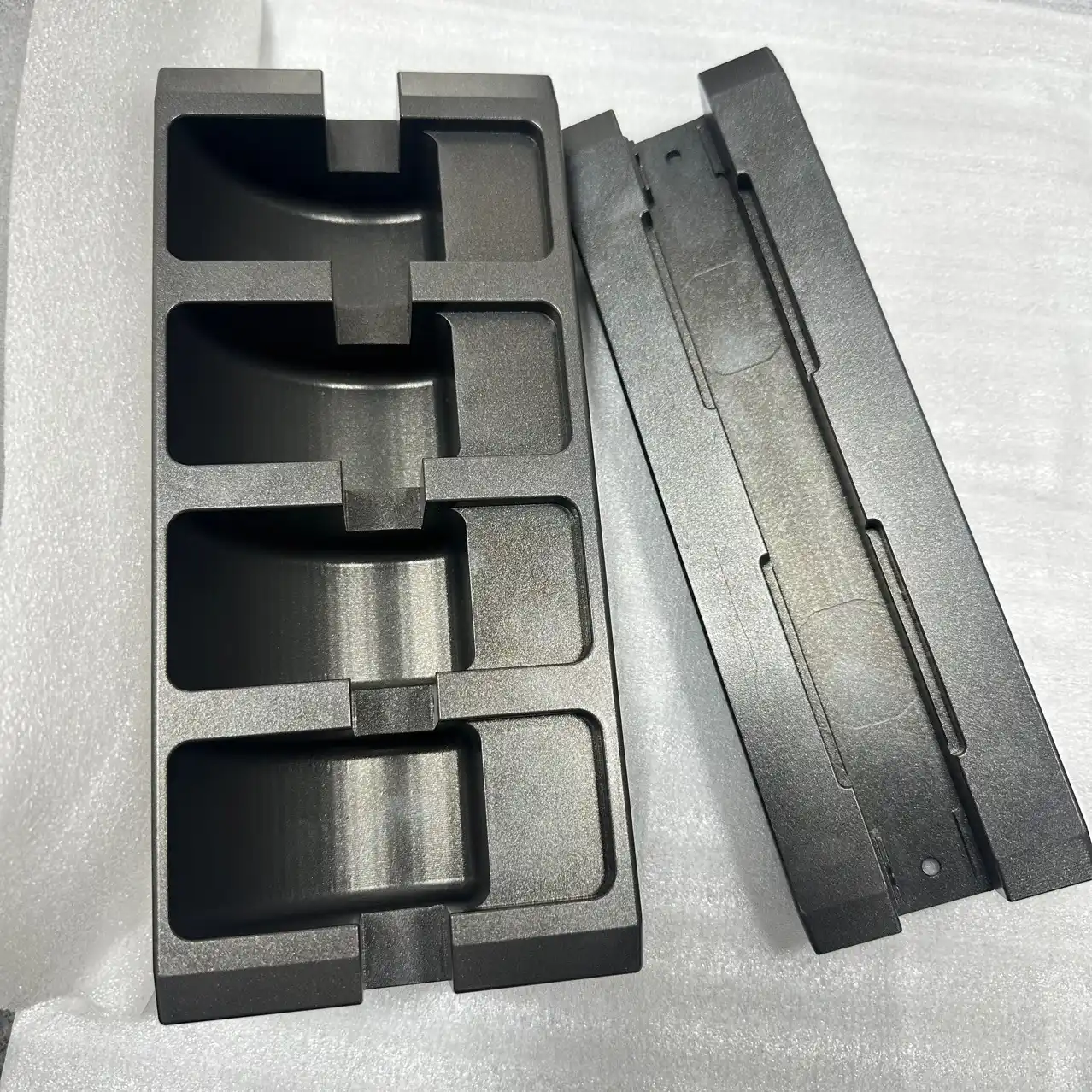
Stainless steel is a general term for high-alloy steels typically made from iron with 12% to 30% chromium and other alloying elements added. WEIYU utilizes multi-axis milling machines, machining centers, digital machine tools, and grinders to manufacture high-precision stainless steel parts for vehicles, power machinery, and other applications.
Carbon steel is an iron alloy with added carbon elements, also known as iron carbon alloy.
Carbon steel refers to metal materials with a carbon content higher than 0.02% but lower than 2% (those with a carbon content higher than 2% are called cast iron, and those with a carbon content lower than 0.02% are called wrought iron), which have the highest production and minimal doping of other elements. Carbon steel has the characteristic of tightly connected carbon atomic bonds, with greater strength than iron, higher hardness than stainless steel, and a cheaper price.
Carbon steel is divided into high carbon steel, medium carbon steel, and low carbon steel. Usually applied to metal parts that require strength, hardness, and wear resistance, the higher the carbon content of steel, the higher its hardness, strength, and wear resistance after heating treatment.
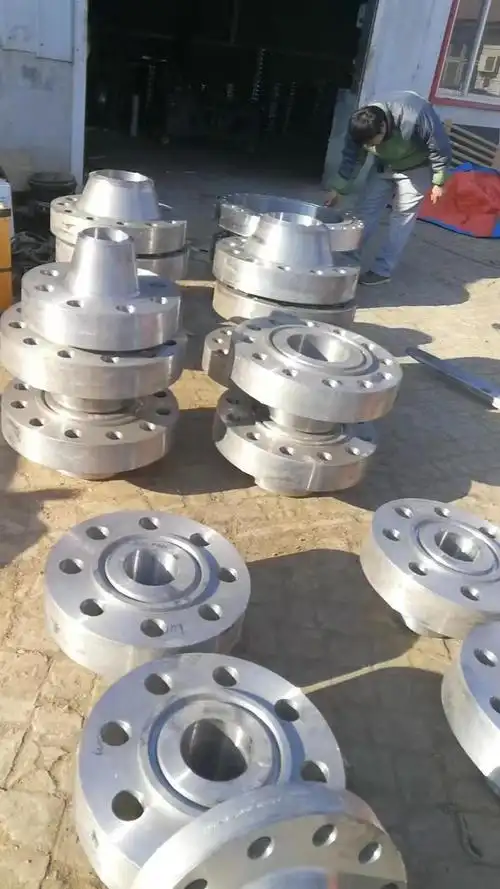
1. Free-cutting steel:
By adding sulfur, tellurium, or 0.15~0.35% of lead to ordinary carbon steel, to have better machinability.
2. Bearing steel:
It’s a high-carbon high-chromium alloy steel with good overall performance. It has evenly high hardness after quenching and tempering, high wear resistance and contact fatigue strength.
3. Carbon structural steel:
It’s a high-carbon high-chromium alloy steel with good overall performance. It has evenly high hardness after quenching and tempering, high wear resistance and contact fatigue strength.
4. Nickel-chromium-molybdenum structural steel:
Add less than 1.0% molybdenum into nickel-chromium steel will get a tough steel. It is the best case hardening steel among structural steels.
| Material | Stainless Steel | Carbon Steel | Cast Iron |
|---|---|---|---|
| Main Element | Iron | ||
| Carbon Content | 0.85~1.0 % | 0.0218%~2.11% | 2.11%~6.67% |
| Types |
|
Low carbon steel Medium carbon steel High carbon steel |
Grey cast iron White cast iron Malleable cast iron Ductile iron Vermicular cast iron |
| Material Configuration | It is a material with a certain shape, size and performance made by pressure machining of steel ingots, billets or steel. | It is a material with a certain shape, size and performance made by pressure machining of steel ingots, billets or steel. | It is usually made of pig iron, scrap steel, ferroalloys, etc. in different proportions through smelting. After that, it will be directly poured into castings. |
| Machining Features | Nice mechanical property and easy to machining. Keep property in good condition even in high and low temperature environment. | The higher the carbon in carbon steel, the greater the hardness, and also the higher strength but lower plasticity. |
|
| Industries Application | Metal parts require corrosion resistance, easy cutting, weldability, abrasion resistance and fatigue resistance. | Metal parts require strength, hardness, and wear resistance. | Metal parts require low cost, good machining, shock absorbing and wear resistance. High hardness, tensile resistance, ductility and deformation resistance. |
Duxi Road, Duqiao Town, Linhai City, Taizhou, Zhejiang,CHINA
+(86)13575823430
xiangjundi@weiyumachine.com
Time: 9.00am-5.00pm UTC+8
Copyright © All rights reserved. CHINA WEIYU MACHINE 2005--2025