China Weiyu Machinery Parts Manufacturers and Suppliers +8613575823430 xiangjundi@weiyumachine.com
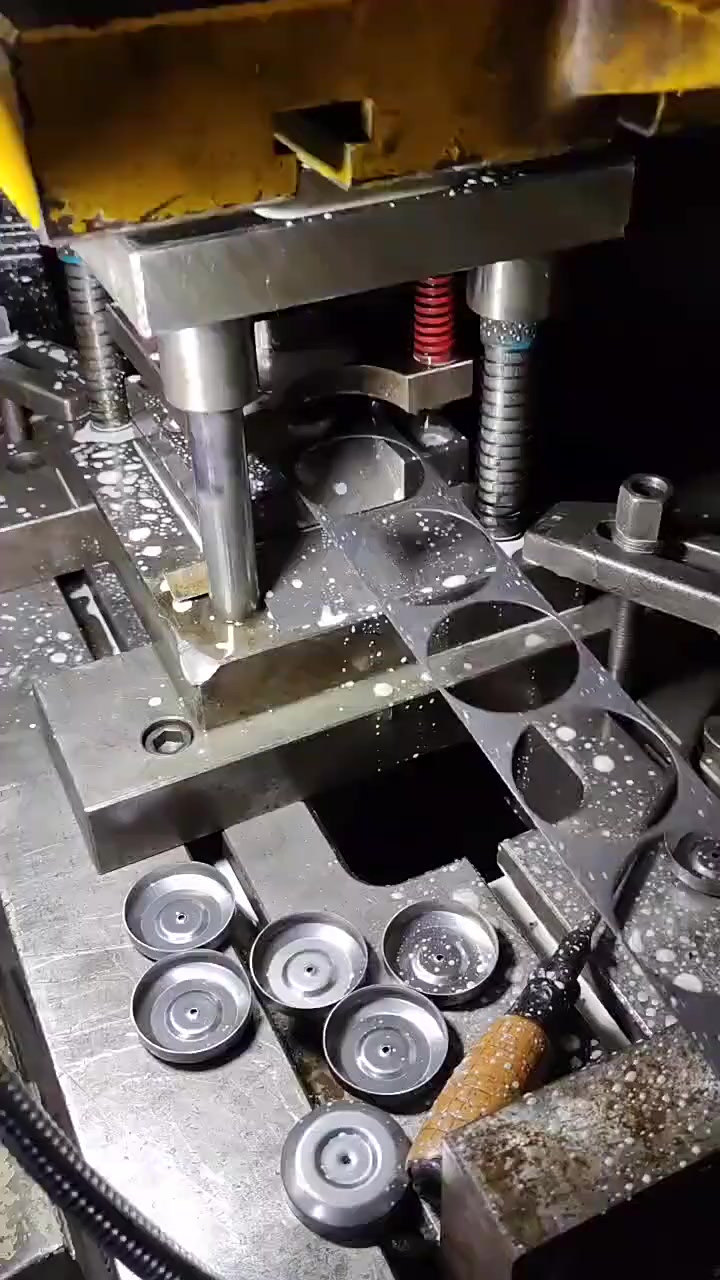
The forming of parts mainly goes through two different processes. The first process is to shape metal materials through various molds. Generally, in the processes of rolling, casting, forging, extrusion, drawing, stamping, etc., the tools used to shape metal materials are called molds. The types of molding molds that Weiyu can provide by combining internal and external resources include extrusion molds, pressure casting molds, gravity casting molds, sand casting molds, hot and cold forging molds, stamping molds, etc.
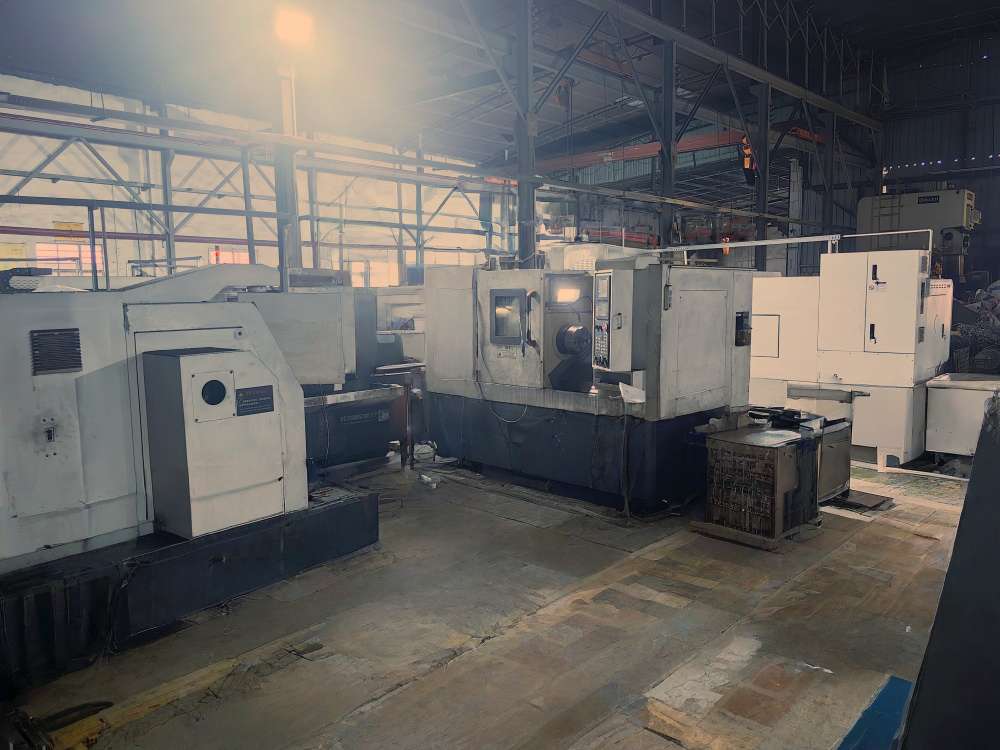
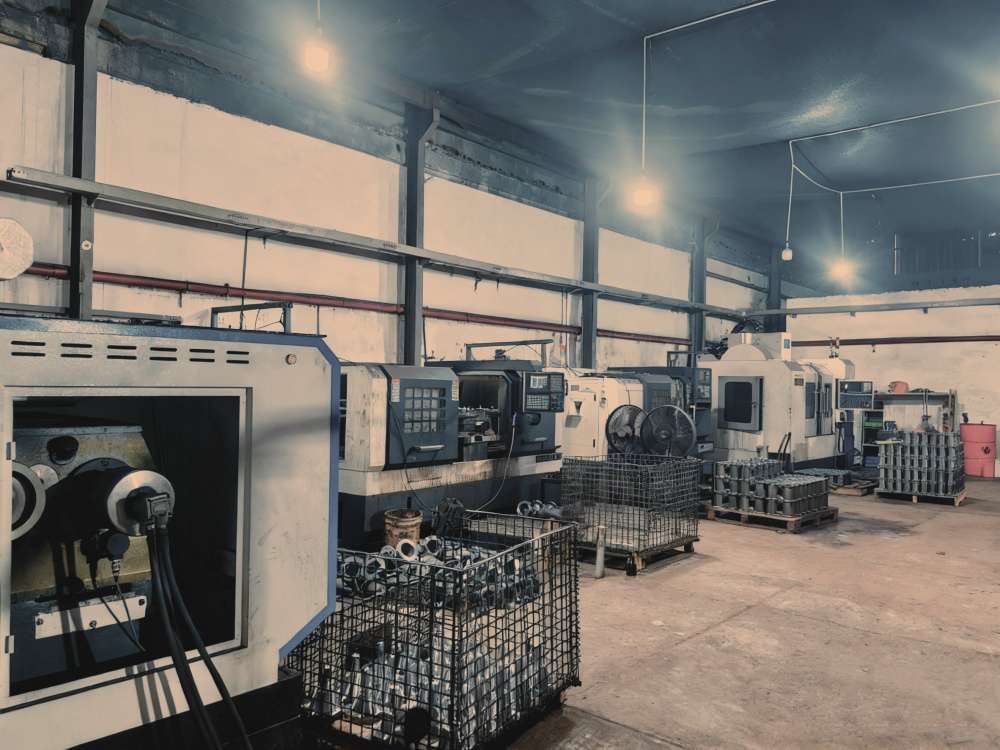
The second process of part forming is to use various tools to do milling, turning, boring, grinding, drilling, etc. on the initially formed workpiece or material block to remove material. In order to ensure that the workpiece can be fixed on the machine during the machining process, the workpiece must be fixed with a clamp. In addition, if the cutting tool meets a non-planar surface, in order to assist the accurate positioning of the tool, a jig will be used as an auxiliary tool for stable cutting.
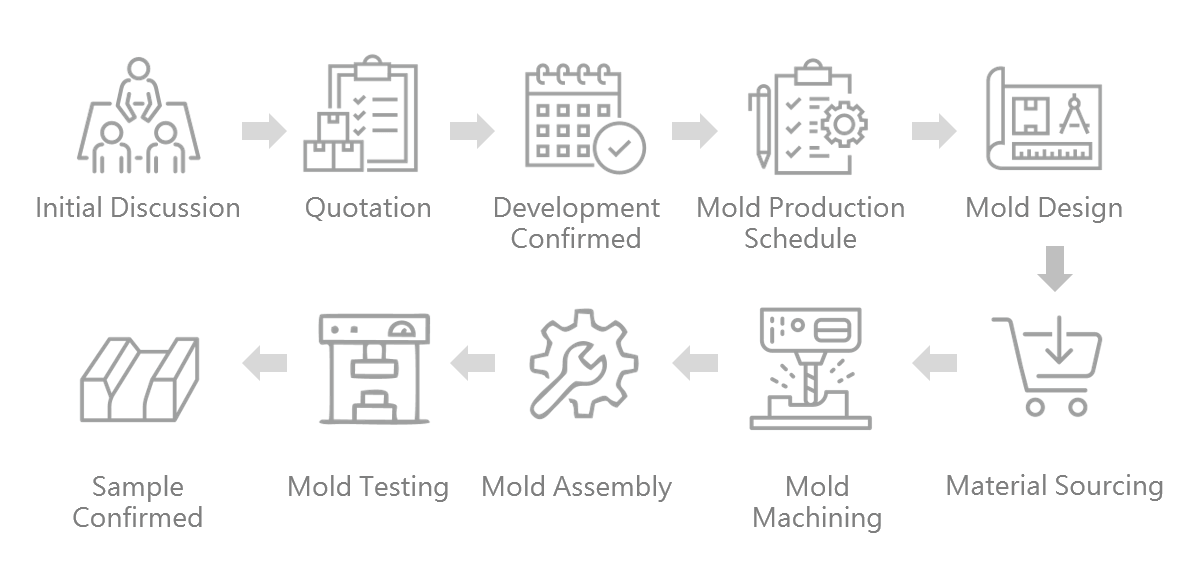
For many years, we have been committed to developing various parts forming molds and have a complete module development program. In the precision machining stage, the development, testing, and management of various fixtures and jigs will strictly follow standard operating procedures (SOPs) such as quality verification, regular inspection, and maintenance.
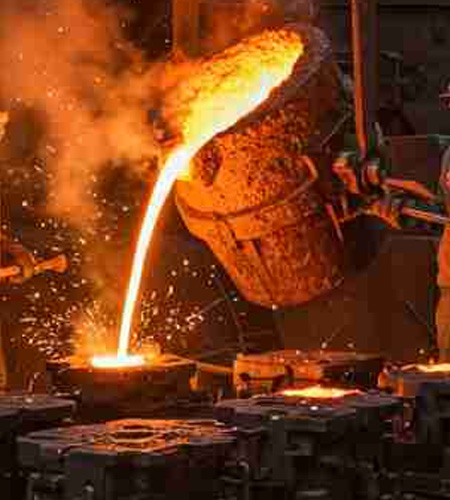
Metal forming has various processes and types such as casting, forging, extrusion, rolling, drawing, stamping, cutting, powder metallurgy, etc. Among all, the forming mold refers to the tool that allows the molten liquid metal with formability or fluidity to be injected or pressurized into the specified mold during the metal products forming process, and makes the metal into the specified shape. Mold has a specific contour or cavity shape, and the application of the cavity shape can make the metal material get a corresponding three-dimensional shape. Generally, Molds are made of a movable die and a fixed die. When molds are combined, the liquid metal is injected into the mold cavity to be formed, and the workpiece can be taken out when separated.
Extrusion dies can form metals precisely and quickly, especially for soft metals. For example, in the aluminum forming process, a strong pressure is applied to the aluminum placed in the mold cavity, forcing the aluminum to deform and extrude from the die hole of the extrusion die, to obtain the parts or semi-finished products with request cross-sectional shape or size.
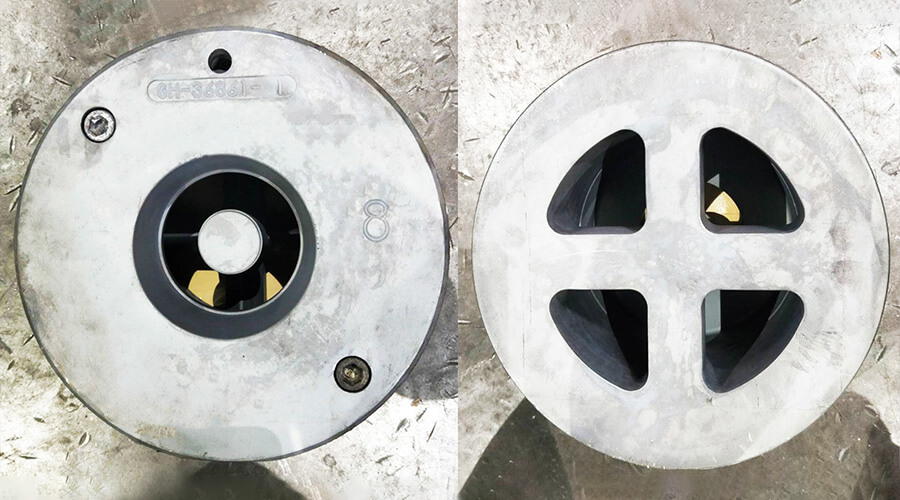
Die casting is a method of forming and solidifying under pressure to obtain castings. Die casting mold refers to a tool that holds molten metal under high speed, high pressure, and allows the metal to be filled and formed in the die casting cavity. Die casting has the advantages of high product precision, good cleanliness of surface, long life of die casting molds, high equipment performance, and saving post-machining and materials.
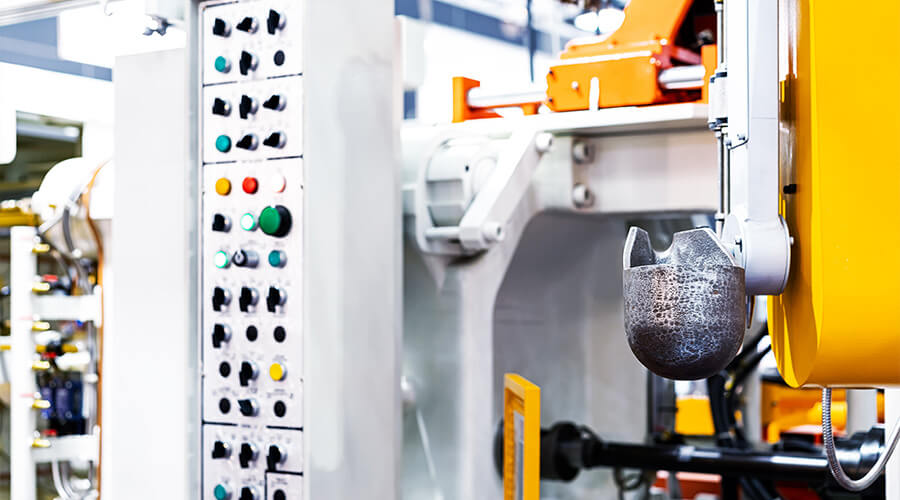
Gravity casting is a historical casting process. Molten metal is poured into a metal mold under gravity and cooled to form. Gravity casting molds are usually made of cast iron, carbon steel, graphite, copper or aluminum alloy, depending on the type of metal to be casted.
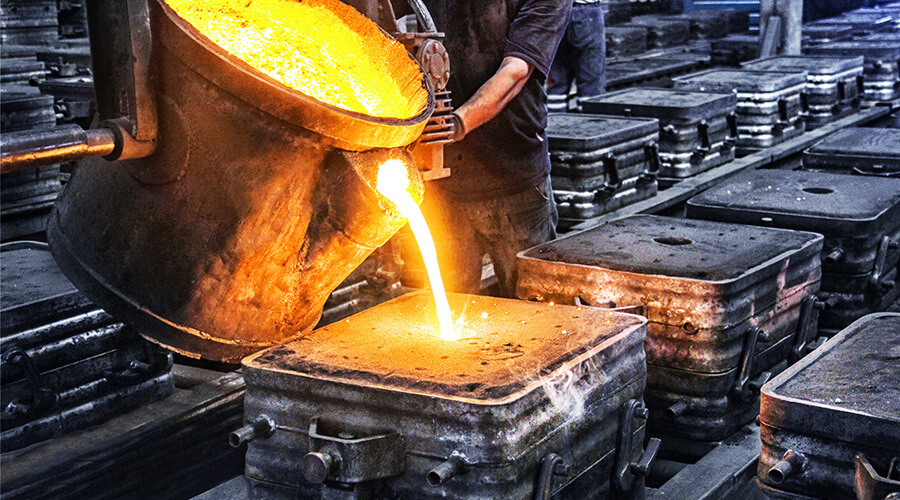
Molding is made of molding sand and core sand. During the sand casting process, molten metal is poured into the molding under gravity, and it will be cooled and formed without high pressure. After pouring and metal solidifying, open the mold and remove the sand from the hot casting, a sand casting is finished.
Refer to the die used in the forging process of small and medium metal parts. Through external force, metal material has plastic deformation in forging die, and then becomes the part in specific shape.
Forging die design determines the forming quality of precision metal parts. It is necessary to choose die material carefully, with heat treatment, advanced machining technology, to ensure the surface quality and precision of the die in the cavity.
At room temperature, pressure is applied to the material from a die mounted on the equipment, causing it in separation or plastic deformation, and then parts are finished.
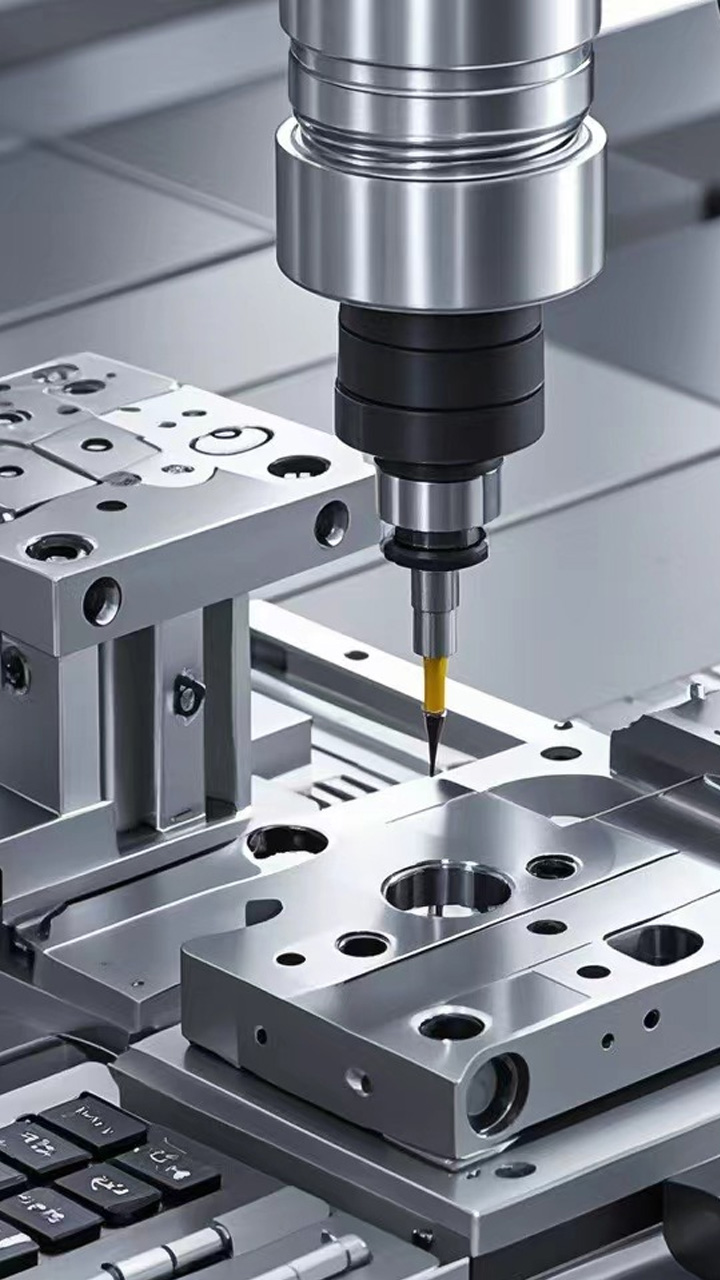
During machining, when a metal workpiece is cut by a tool, the inertial force of the tool and machine will act on the workpiece itself.
In order to keep the workpiece unmoved during the machining, a larger clamping force must be applied to stabilize the workpiece on the machine and absorb the cutting force to complete the cutting. The device that fixes and clamps the workpiece is called a fixture.
Compared with the fixture for a workpiece, the jig is a tool to guide the workpiece.
Especially when cutting on non-planar surfaces, the jig can position the tool precisely and stabilize the cutting. However, the CNC machining fixture of the machine can omit the guiding function of the tool; only the positioning and clamping functions are available.
1. Different processing methods: turning, milling, drilling, grinding, etc.
2. Different types of fixtures and production methods: universal, modular, and special fixtures.
3. Different clamping forces: manual and automatic.
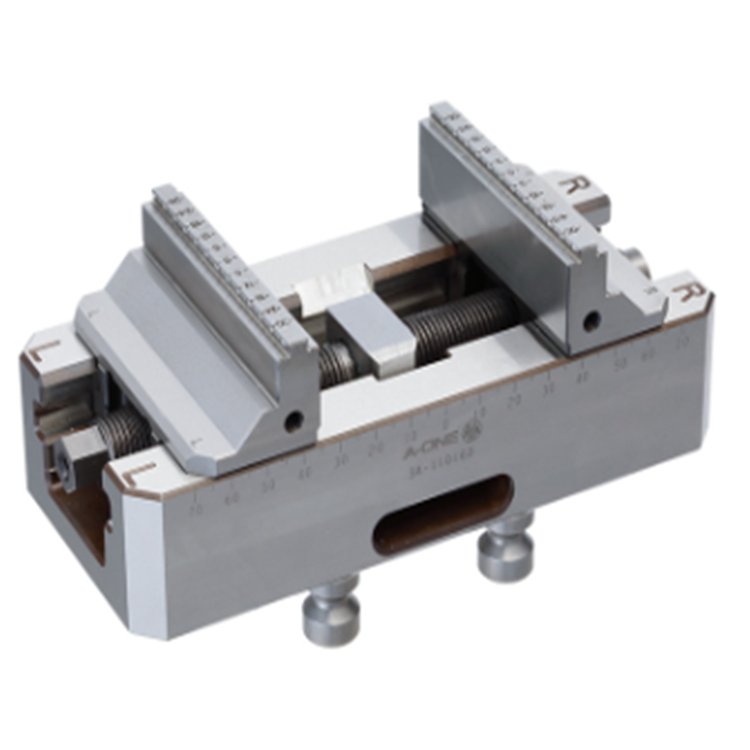

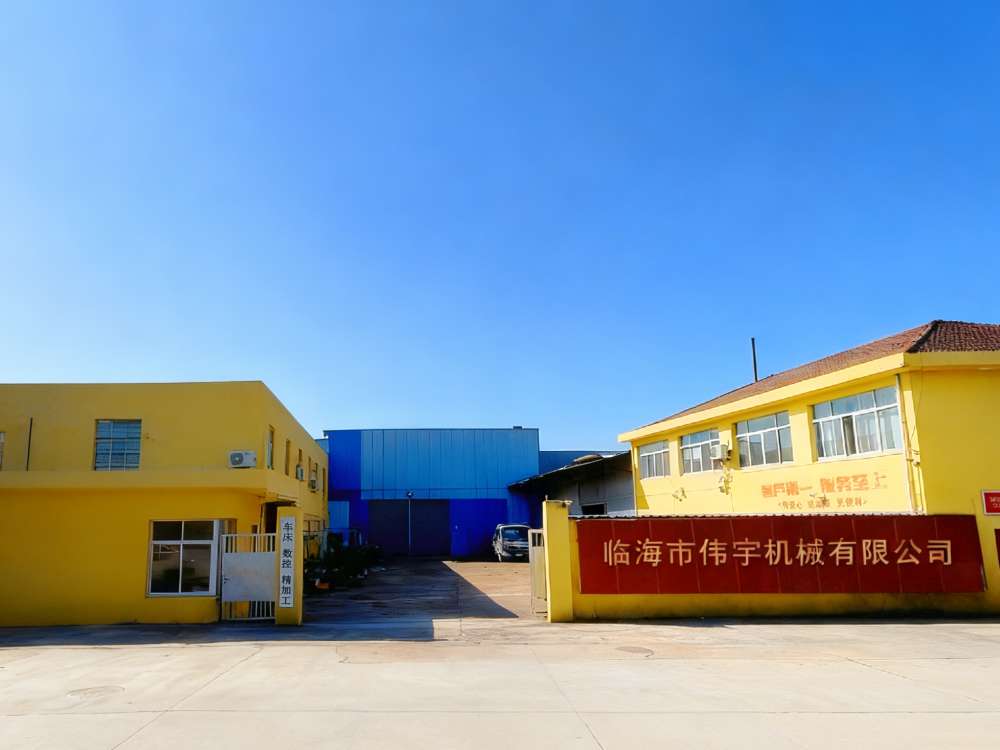
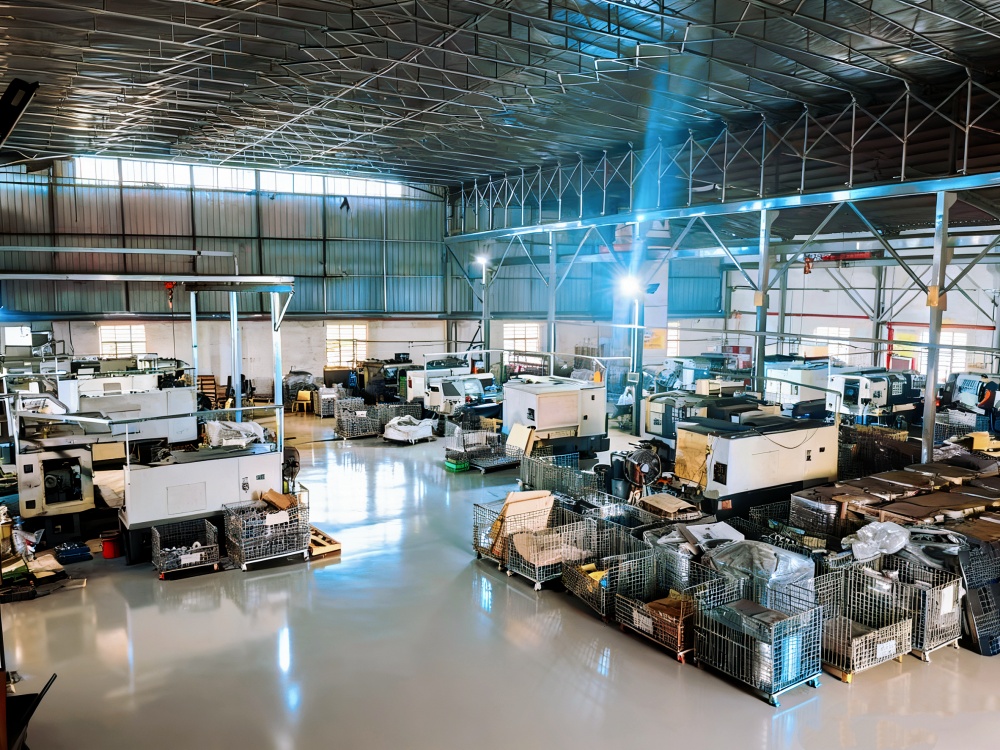
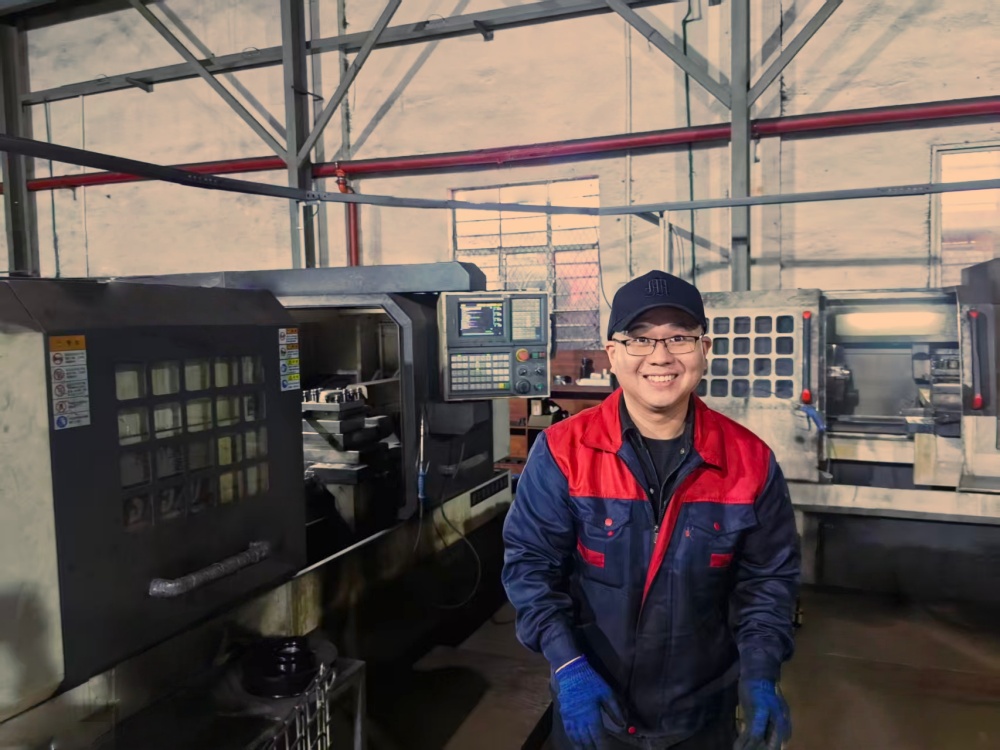
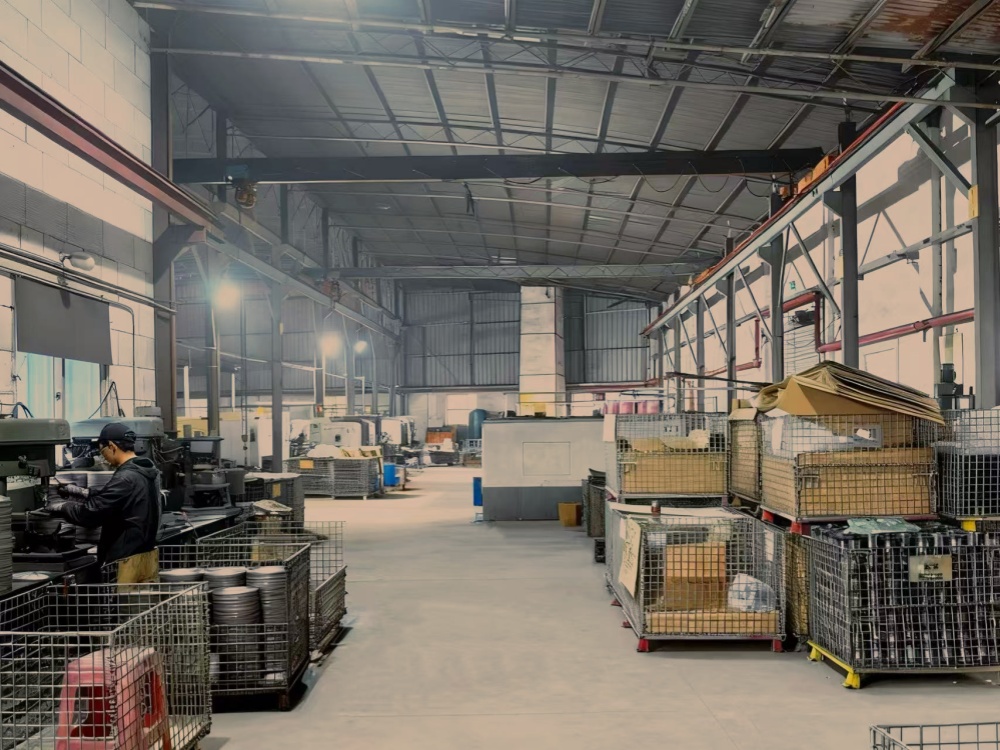
We are a machining factory based in China, specializing in the production of various mechanical parts and components.
Your inquiries and orders are welcome.