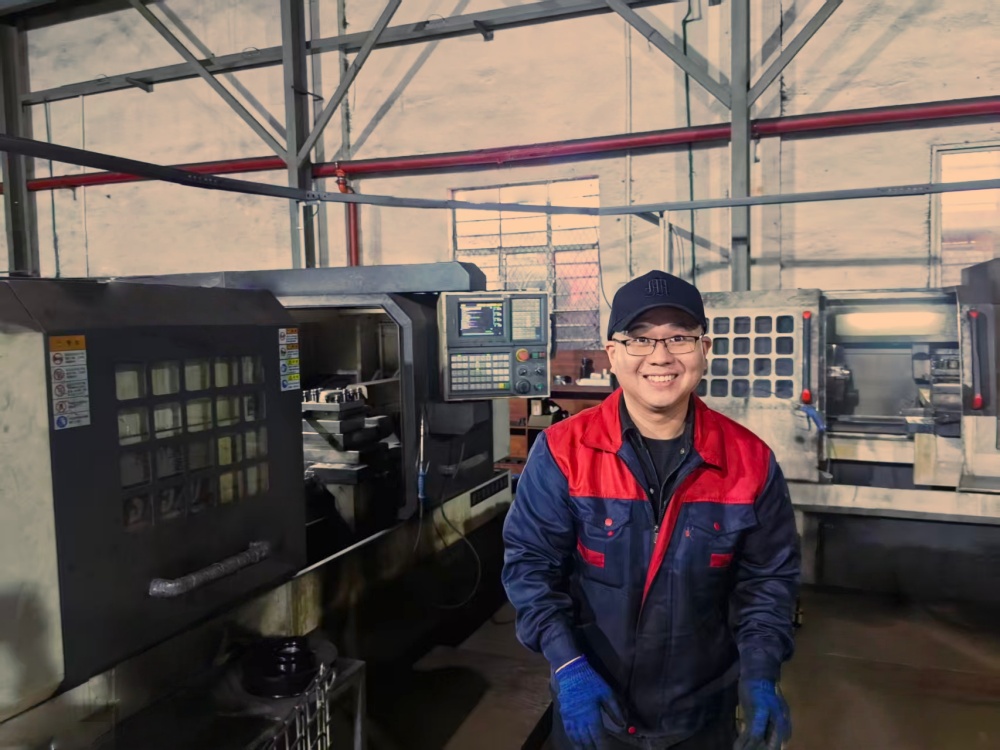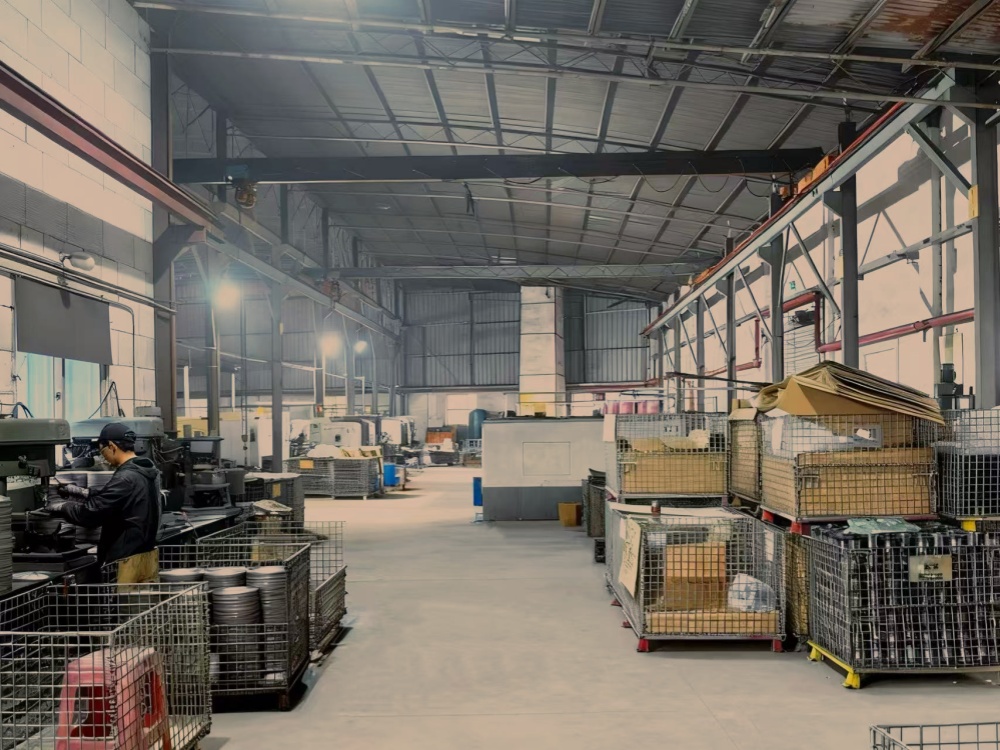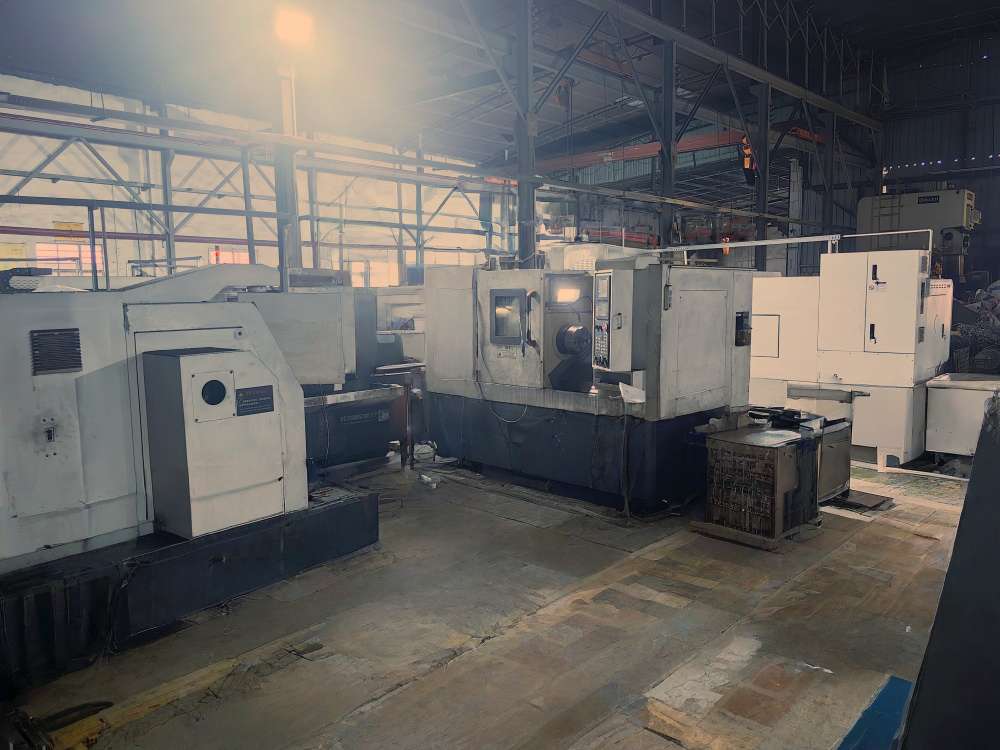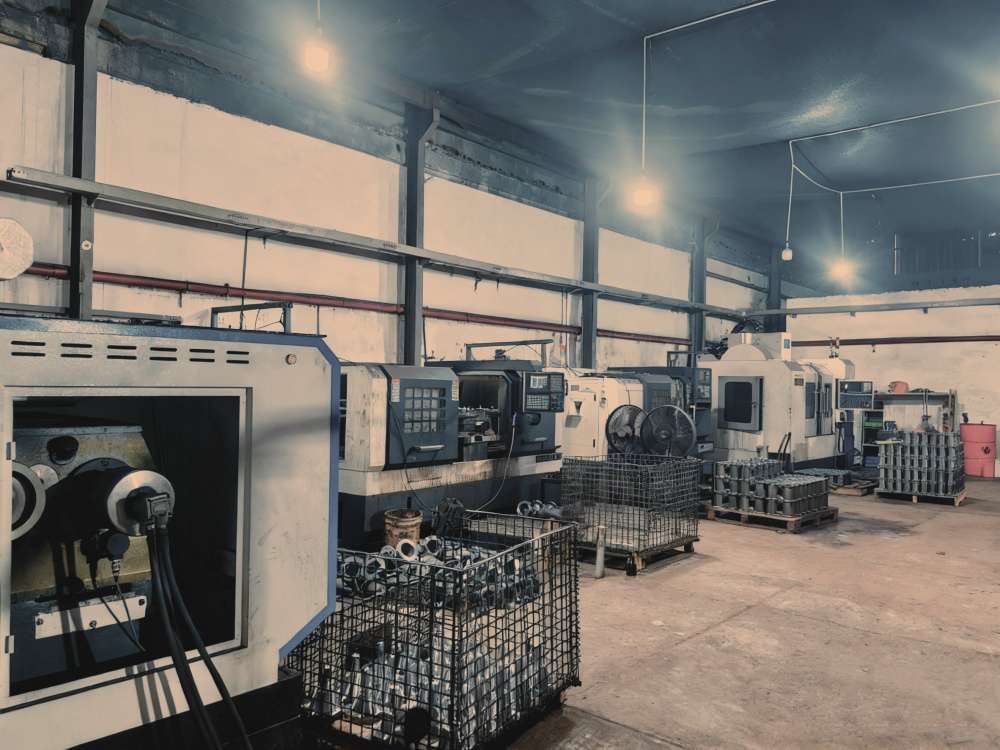

Tracing the Origin of Thread Machining The roots of thread machining date back to the Industrial Revolution in England during the late 18th century. Initially established on lathe machines, modern thread machining has evolved to encompass milling, screw tapping, rolling, and thread-making machines. Threads find widespread use in mechanical engineering, serving as vital connections and power transmission components. |
Threading is a common machining technology. WEIYU generally provides turning, milling, or tapping on thread machining |
Thread Milling Service - Precision Connections and TransmissionsWEIYU is a comprehensive metalworking service provider, offering total metalworking solutions from design, and material supply, to expert production. One of our specialized services is thread machining, which includes lathe turning, milling, and screw-tapping techniques. 3 Types of Thread MachiningWEIYU excels in three general types of thread machining services: | |
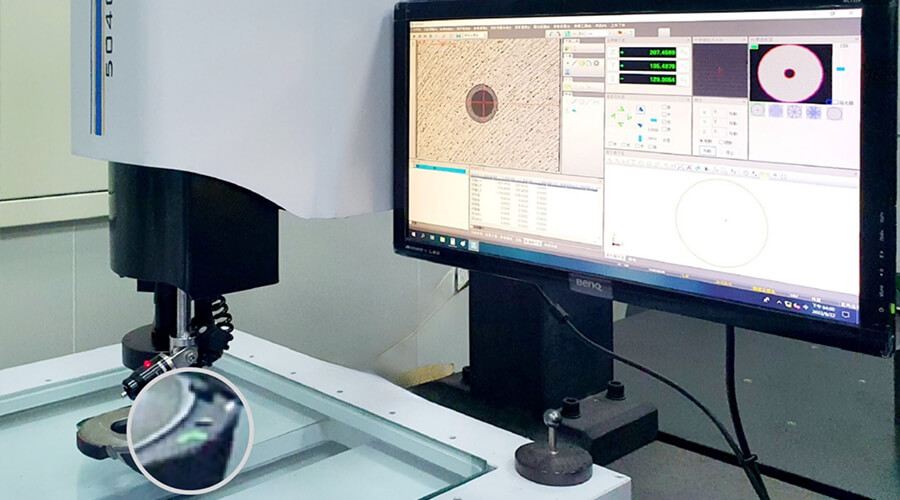
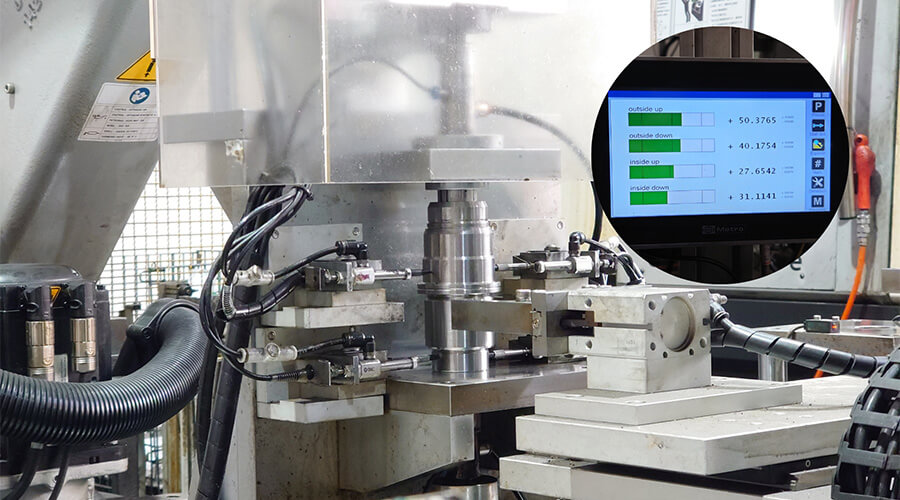
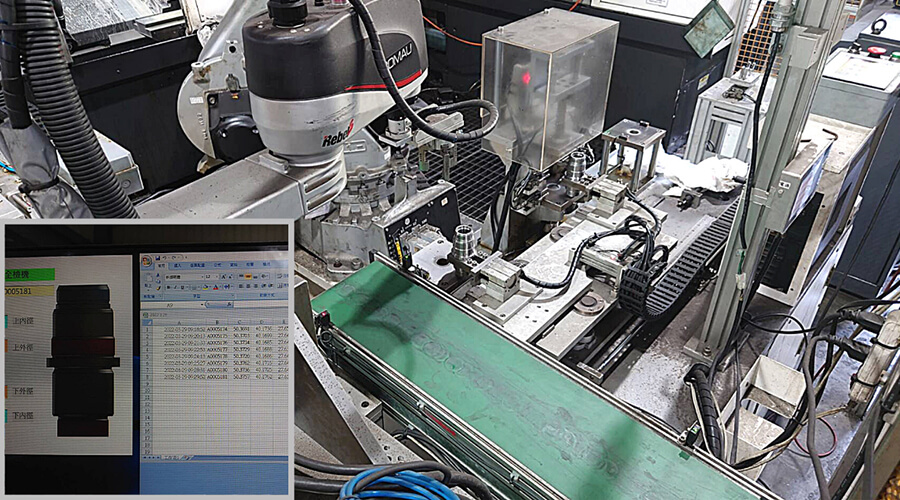
Quality Control and Inspection for Thread MachiningTo ensure exceptional quality, WEIYU conducts a thorough inspection and quality control after thread machining. We utilize thread inspection equipment, including ring thread gauges, 2.5D image measuring machines, to verify various thread parameters. From internal/external thread measurements to major/minor diameter, thread depth, pitch, and thread angle, our meticulous inspection guarantees customer satisfaction with our thread machining services. | Key Factors Influencing Thread PrecisionThread precision is of utmost importance for successful connections and efficient power transmission. Several critical factors affect the accuracy of threads, including:
|
(Tips: The articles in the knowledge base are all from the internet and are only for knowledge sharing. If there is any infringement, please contact us for deletion.)
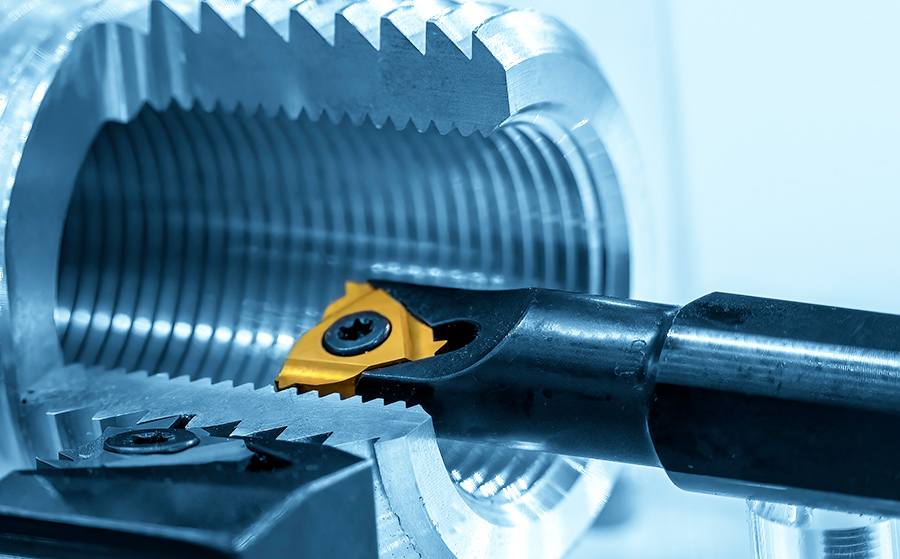
Thread machining services: thread turning, thread milling, and thread tapping. Thread turning involves cutting with shaping tools or thread tools on a rotating workpiece, suitable for precision manufacturing of internal and external threads in small quantities.
![CNC parts manufacturing automated robotic arm [processing capabilities]](https://www.weiyumachine.com/uploads/9a/a29/9aa29172552c6e2732ea5138ffb3967b.jpg)