China Weiyu Machinery Parts Manufacturers and Suppliers +8613575823430 xiangjundi@weiyumachine.com
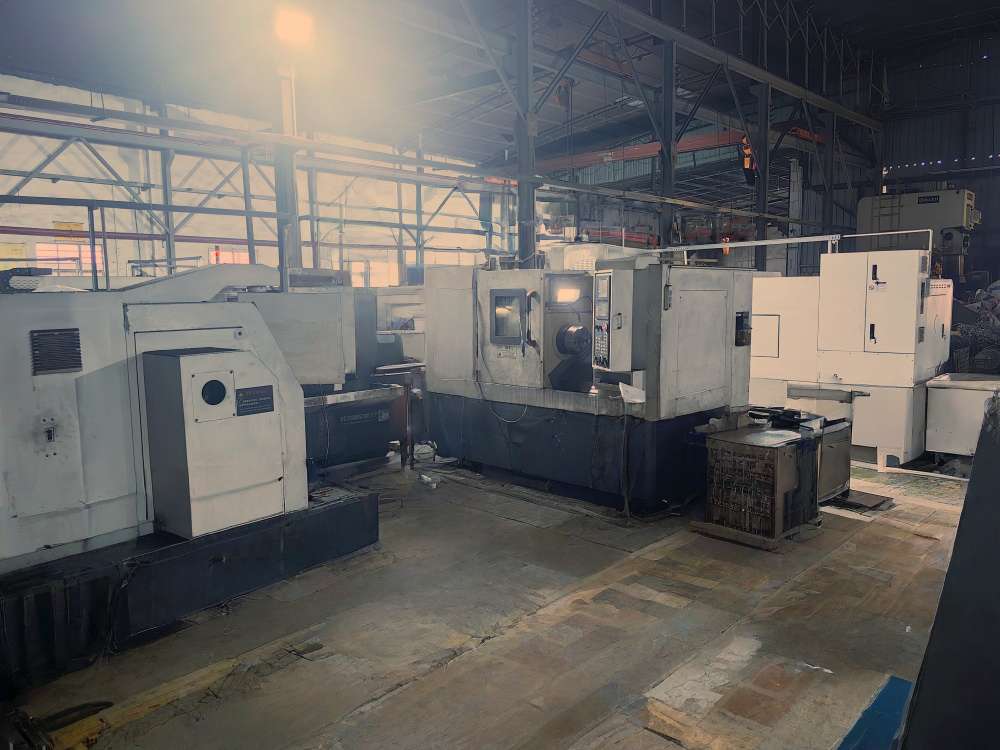
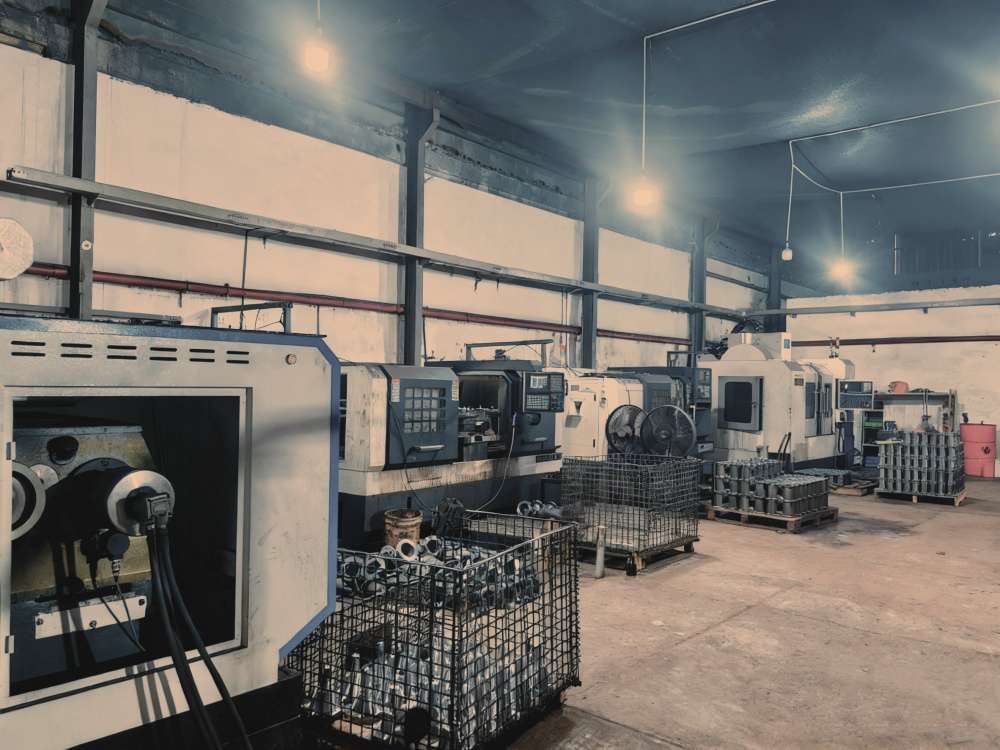
Weiyu integrates metal processing technologies such as metal material forming, mechanical processing, surface treatment, assembly, welding, and functional testing. According to the needs of customized products, there are also corresponding manufacturing processes.
In terms of assembly, dozens of operations are involved from initial cleaning and protection to final packaging. When all operations are performed correctly according to standard operating procedures, assembly will be considered complete.
1. Cleaning
Use ultrasonic cleaning tools to keep clean before and after assembly to avoid product scratches and dirt during assembly.
2.Measurement
Check the quality of the assembly line through the IQC to ensure that the materials meet the specifications, and complete quality control before and after assembly.
3.Protection
Use packaging material to cover and fill in the assembly process to avoid cuts during assembly, as well as bumps and paint peeling during the final packaging stage.
4. Assembly
Through standard jigs and fixture design to fix the assembly parts. All tools and spare parts also have corresponding part numbers to ensure consistent product assembly quality. Every screw fixing procedure will be locked within the specified torque range.
5.Packagings
Move the finished products through a work-saving device for occupational safety of site operators and avoid bumping the products. Packing at a fixed location, and counting the parts and quantities without shortage.
6.Final
A label with the number and date on finished products indicating that the assembly is complete. A assembly inspection report will be attached with the goods, which includes the assembly process confirmed item by item, and confirmation by the assembly specialist and the quality assurance specialist.
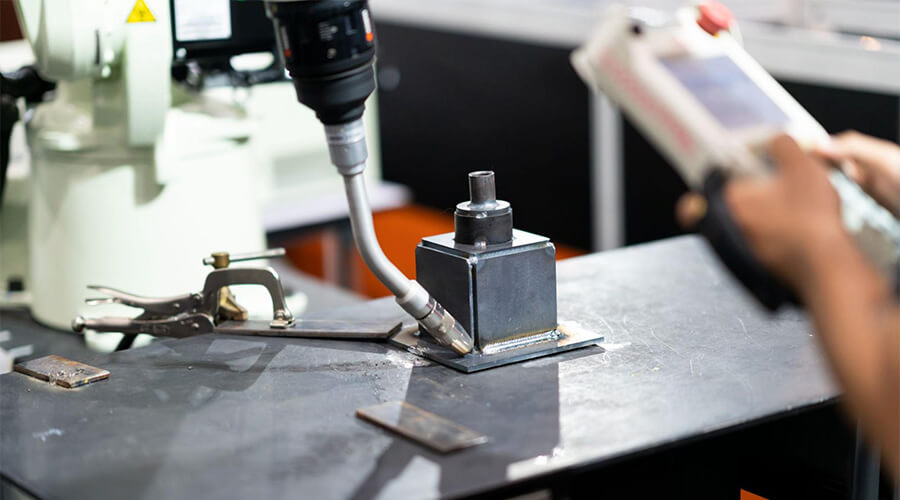
Welding is a manufacturing process that joins materials, usually metals or thermoplastics, by using high heat or pressure to melt the parts together and allowing them to cool, causing fusion. Modern welding technology first appeared at the end of the 19th century, and has developed various welding methods, such as gas welding, arc welding, laser beam welding, etc. Among the application materials that we often handle, cast iron is known for its high elongation; while stainless steel is high temperature resistant and corrosion-resistant.
Different metals have different properties. In response to the customer's product specification requirements, we can provide welding technology of the same metal material, even between different materials, which will be closer to the customer's flexible demand for metal material applications.
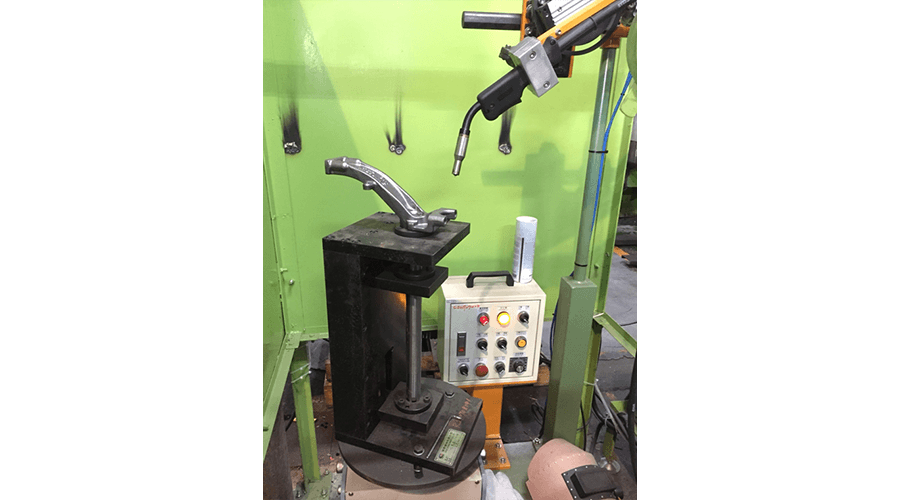
In the welding process, we use the corresponding welding equipment after confirming the specifications of the product welding. The welding steps are presented in standard operating procedures and executed. The welding operation will be carried out after confirming that the environment, specifications, parameters, etc. are all correct. During the welding process, we notice whether there is discontinuity or abnormality to avoid welding defects caused by discontinuity.
In order to ensure the welding quality, we confirm that the welding quality meets the requirements by metallographic analysis through destructive testing or external third-party testing.
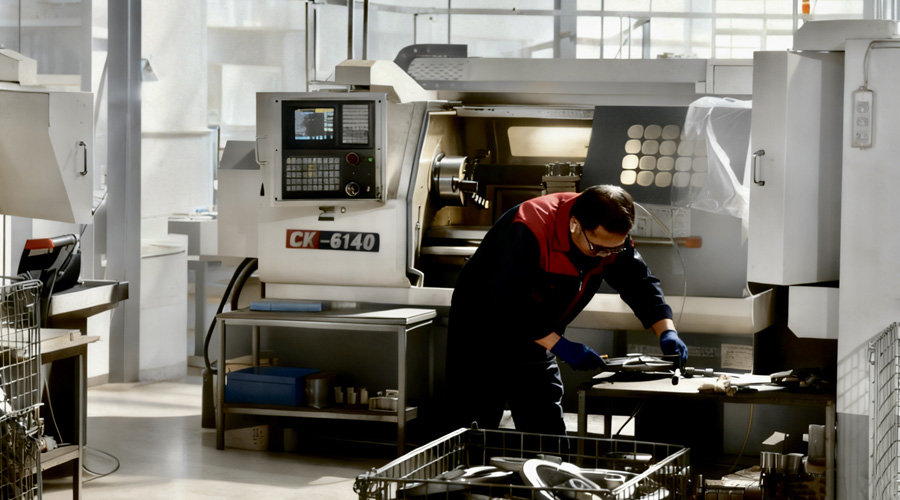

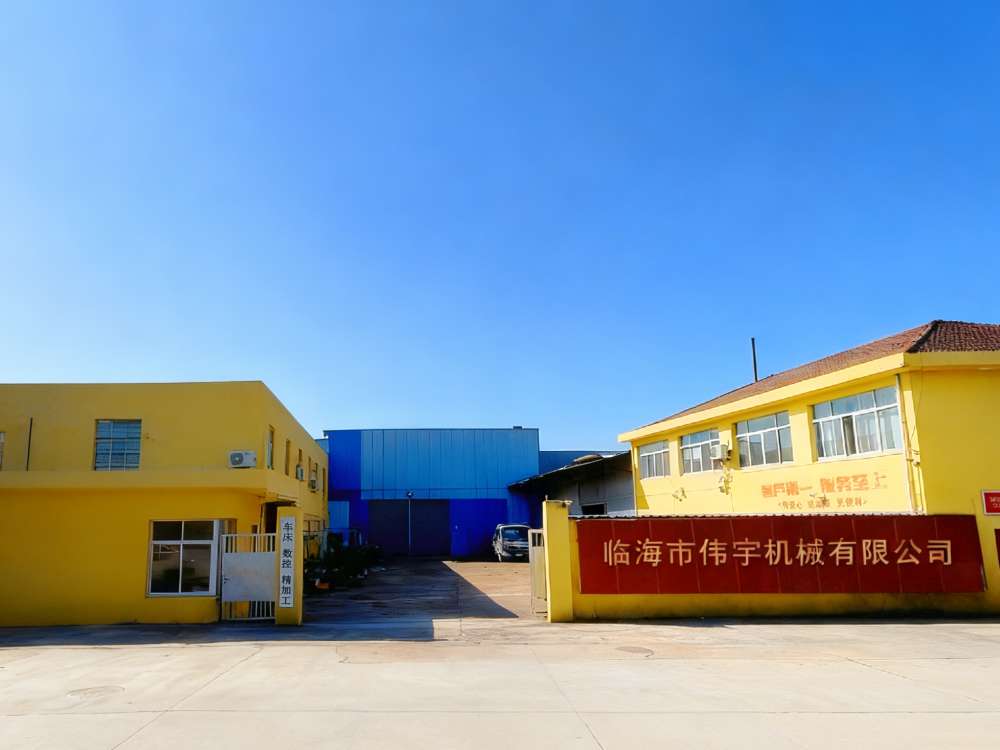
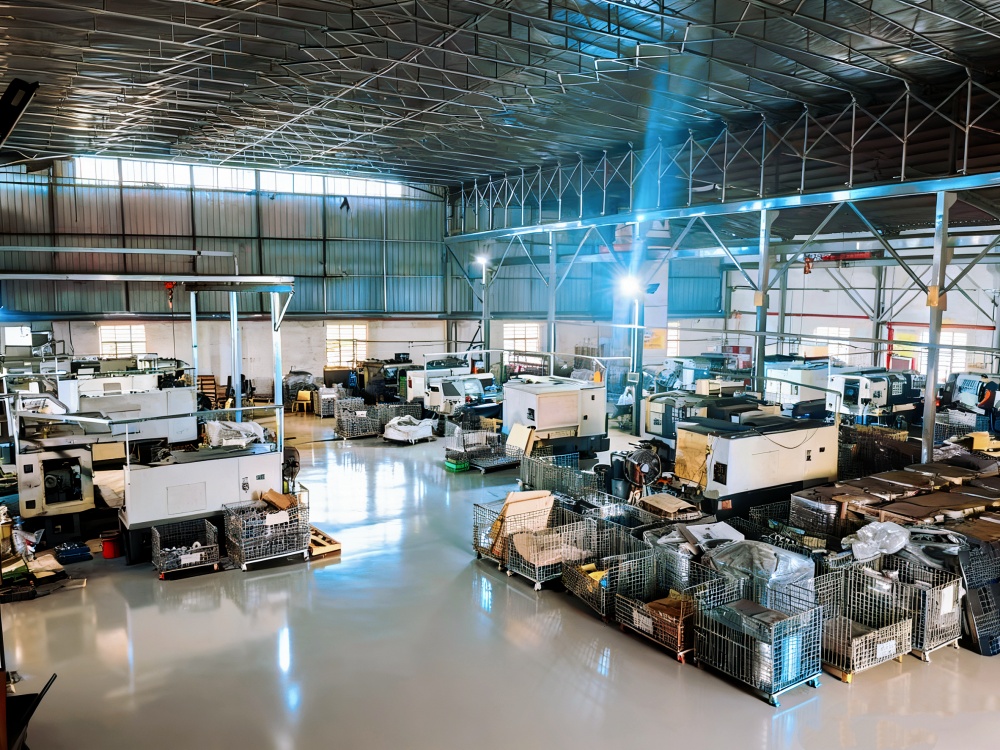
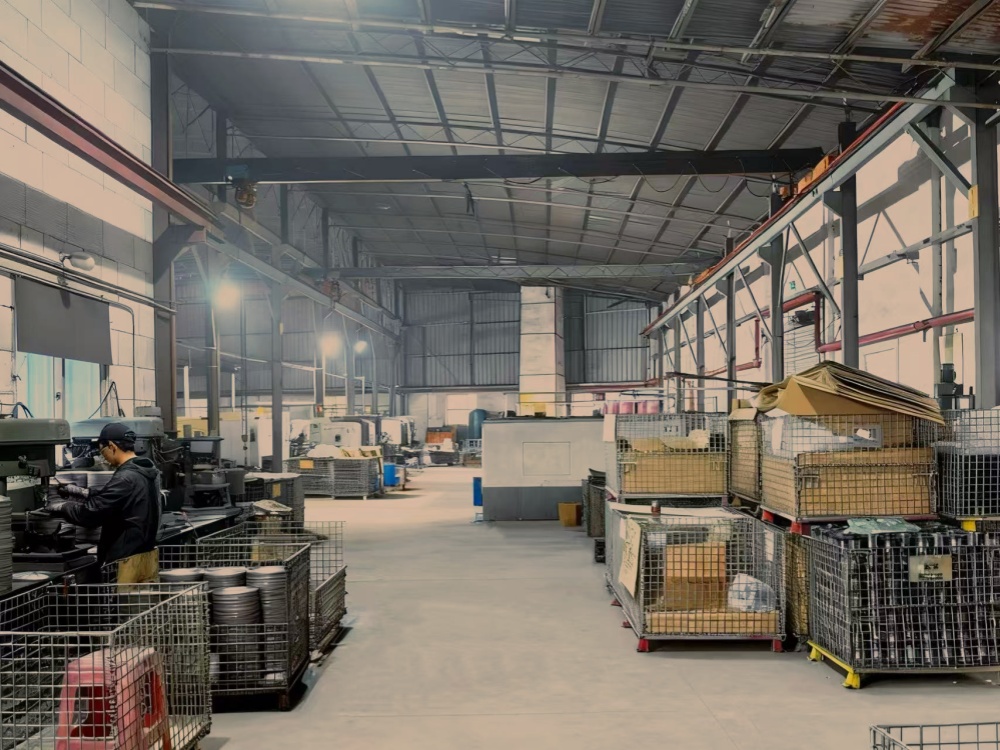
We are a machining factory based in China, specializing in the production of various mechanical parts and components.
Your inquiries and orders are welcome.